 Skip to content

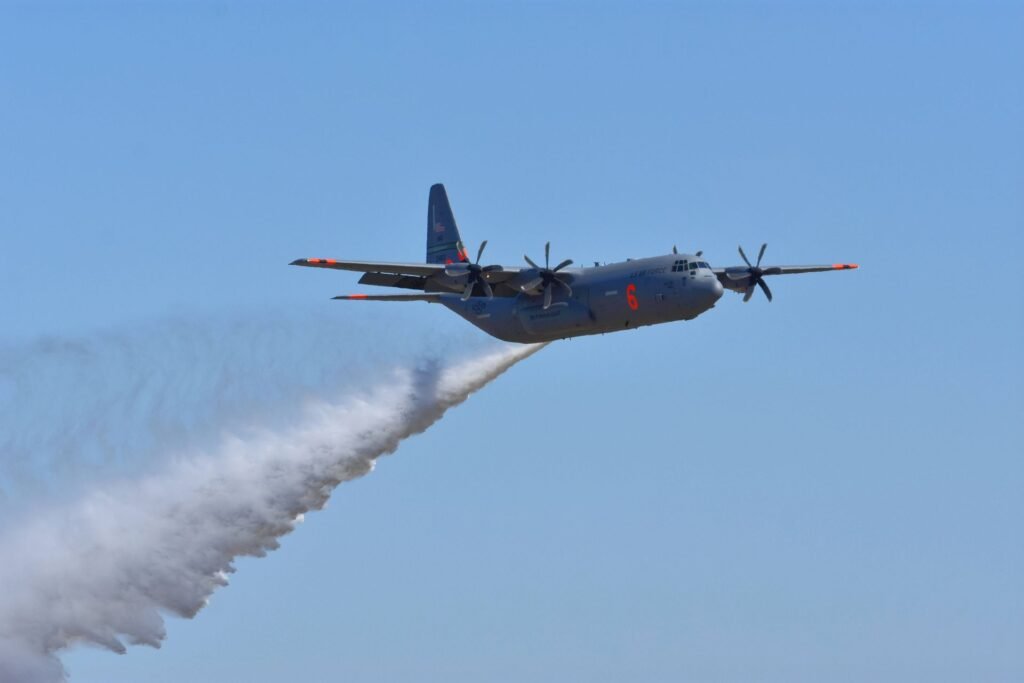
Aircraft hangars require carefully engineered fire protection because aviation fuel, aircraft maintenance activities, electrical equipment, and large enclosed spaces can create complex fire hazards. A reliable Aircraft Hangar Fire Suppression System must be designed around these risks, the hangar’s layout, its operational activities, and applicable fire safety requirements.
For airport operators, aircraft maintenance providers, hangar developers, and industrial project owners in Saudi Arabia, selecting the right system involves more than purchasing firefighting equipment. It requires a coordinated approach to hazard assessment, engineering design, equipment selection, installation, testing, and ongoing maintenance.
Advanced Times Company for General Contracting provides fire suppression design, supply, installation, testing, commissioning, and maintenance services in Saudi Arabia. These capabilities are relevant to projects requiring a coordinated fire protection solution tailored to the facility’s needs.
What Is an Aircraft Hangar Fire Suppression System?
An Aircraft Hangar Fire Suppression System is an engineered arrangement of equipment designed to control or extinguish fires within aircraft storage, servicing, and maintenance facilities.
Unlike ordinary commercial spaces, aircraft hangars may contain large quantities of combustible materials, aviation fuel hazards, hydraulic fluids, electrical systems, and maintenance equipment. A fire involving flammable liquid can spread rapidly across a floor, while the size of the hangar may make manual firefighting alone insufficient as an initial response.
Depending on the hazard assessment and approved design, a hangar fire protection system may include:
- Automatic sprinklers or foam-water suppression equipment.
- Deluge valves, piping networks, and discharge devices.
- Foam concentrate storage and proportioning equipment, where applicable.
- Fire detection, alarm, and system control interfaces.
- Fire pumps and a suitable water supply.
- Drainage and containment arrangements for firefighting runoff.
- Manual activation and monitoring provisions where required by the design.
These components must work together. The appropriate solution depends on the aircraft accommodated, the activities performed, the likelihood of a fuel spill, and the applicable design criteria.
Types of Aircraft Hangar Fire Protection Systems
Not every hangar requires the same suppression technology. The system should be selected following an engineering assessment rather than simply copying the arrangement used in another building.
1. Foam-Water Deluge Systems
An Aircraft Hangar Foam Deluge System is an important option for hangars where the applicable design criteria require protection against flammable-liquid or aircraft fuel spill fires.
A deluge arrangement typically uses open discharge devices connected to a piping network controlled by a deluge valve. When the system is activated, water and foam solution are delivered through the designated discharge devices according to the engineered arrangement.
Foam can help suppress certain flammable-liquid fires by forming a blanket over the fuel surface, reducing the release of flammable vapours and helping prevent re-ignition. Its performance depends on the foam concentrate, fuel, application method, discharge arrangement, and system design.
A properly engineered Aircraft Hangar Foam Fire Suppression System must account for the required discharge performance, foam proportioning, water availability, drainage, and compatibility of the selected components.
2. Automatic Sprinkler Systems
Automatic sprinklers can provide effective fire control in many buildings and may form part of an aircraft hangar protection strategy. However, ordinary sprinklers should not automatically be assumed to replace fuel-spill fire protection.
The suitability of a sprinkler-only arrangement depends on the hangar’s classification, the activities performed, the relevant standard, and approval by the authority having jurisdiction.
3. Fire Detection and Alarm Systems
Detection and alarm systems provide warning and can initiate approved control sequences where the system design permits. They may interface with suppression controls, alarm notification, equipment shutdowns, and emergency procedures.
Detection technology and placement should reflect the hangar’s height, airflow, environmental conditions, and operational layout. Detection and suppression serve different functions and should be coordinated rather than treated as interchangeable systems.
4. Supporting Fire Protection Equipment
Fire pumps, hydrants, hose equipment, portable extinguishers, emergency exits, and other protective measures may be required as part of the overall fire safety strategy.
The final arrangement should be determined through the project’s fire protection design, applicable requirements, and coordinated review.
| System or component | Main purpose | Key design consideration |
|---|---|---|
| Foam-water deluge | Suppression of applicable fuel-spill fire hazards | Foam selection, discharge coverage, and water supply |
| Automatic sprinklers | Control of suitable fire hazards | Hazard classification and approved design |
| Fire detection and alarms | Early warning and approved system activation | Detection coverage and control integration |
| Fire pumps and water supply | Deliver the required firefighting flow and pressure | Demand, reliability, and hydraulic calculations |
| Drainage and containment | Manage firefighting water and foam runoff | Floor gradients, drainage capacity, and environmental controls |
NFPA 409 Aircraft Hangar Fire Protection System Requirements
NFPA 409, Standard on Aircraft Hangars, is an important reference for engineering aircraft hangar fire protection. Its requirements address hangar-specific considerations, including construction, classification, and fire protection arrangements.
The applicable edition, project specifications, adopted regulations, and authority requirements must be confirmed for each project. A general online summary is not a substitute for reviewing the relevant standard and approved design.
An NFPA 409 Aircraft Hangar Fire Protection System assessment should consider several factors:
Hangar classification and dimensions: The aircraft accommodated, hangar size, construction, and configuration can influence the applicable protection requirements.
Aircraft operations: Aircraft storage, routine servicing, fuel-system work, welding, painting, and other maintenance activities can change the fire hazard profile. The scope of work must be documented accurately.
Suppression strategy: The engineering team should determine whether a foam-water deluge arrangement, an approved sprinkler-based approach, or another permitted arrangement is appropriate under the applicable criteria.
Water supply and hydraulics: The design must establish the required flow, pressure, system demand, and dependable water supply.
Emergency response and integration: Alarm interfaces, manual controls, monitoring, emergency procedures, and supporting firefighting facilities should be coordinated.
For Saudi Arabian projects, NFPA 409 should not be presented as the only governing requirement. The design team must also confirm the applicable Saudi Building Code provisions, Civil Defense requirements, project specifications, and any other standards or approvals relevant to the facility.
Aircraft Hangar Fire Suppression System Design: Critical Factors
A dependable Aircraft Hangar Fire Suppression System Design begins with the actual operating conditions of the hangar.
Fire risk and operational assessment
The assessment should establish the aircraft types, expected maintenance activities, potential ignition sources, fuel-related hazards, combustible materials, and the consequences of a fire. A hangar used primarily for aircraft storage may present different conditions from one undertaking intensive maintenance.
Hangar geometry and discharge coverage
The building’s dimensions, roof height, structural obstructions, aircraft positioning, and internal equipment affect discharge coverage and system layout. Designers must account for these conditions when selecting equipment and calculating hydraulic requirements.
Foam selection and environmental management
Where foam is required, the concentrate and delivery equipment must be suitable for the intended hazard and compatible with the system’s design. Existing installations using aqueous film-forming foam (AFFF) may also require an assessment of environmental, operational, and disposal considerations.
Fluorine-free foams are an evolving alternative, but their suitability should not be assumed solely from their environmental profile. Verify relevant performance evidence, applicable approvals, manufacturer compatibility, and project requirements before selecting a replacement.
Water supply, drainage, and containment
A foam-water system may require substantial water flow and effective drainage during discharge. The design should assess available water supply, pump capacity, floor gradients, drainage pathways, and containment of potentially contaminated runoff.
These details are especially important when the facility has large floor areas or limited drainage infrastructure.
Integration and maintainability
The design should address alarm interfaces, control panels, valves, monitoring, access for servicing, and the availability of replacement components. Maintenance access should be considered before installation, not added as an afterthought.
Aircraft Hangar Fire Suppression System Installation
Professional Aircraft Hangar Fire Suppression System Installation should follow approved engineering documents, coordinated construction plans, and the relevant inspection and testing requirements.
A typical project follows these stages:
- Site assessment: Review the hangar, aircraft operations, fire hazards, building plans, existing utilities, and applicable requirements.
- Engineering design: Prepare system layouts, hydraulic calculations, equipment specifications, control arrangements, and supporting documentation.
- Equipment supply: Select compatible components, including valves, pumps, piping, discharge devices, and foam equipment where required.
- Installation and coordination: Install the system according to approved documents and coordinate with structural, electrical, mechanical, alarm, and drainage works.
- Testing and commissioning: Verify installation quality, piping integrity, valve operation, control interfaces, alarms, water supply, and the required performance checks.
- Handover and maintenance planning: Provide applicable test records, operating documentation, training, maintenance schedules, and closeout information.
The precise acceptance tests and commissioning procedures depend on the approved design, equipment manufacturers, and applicable requirements. Full-flow or foam discharge testing should be planned carefully, including suitable arrangements for runoff management and environmental protection.
Choosing an Aircraft Hangar Fire Protection Contractor in Saudi Arabia
Selecting an Aircraft Hangar Fire Protection Contractor Saudi Arabia requires more than comparing equipment prices. The contractor must understand the project’s technical requirements and coordinate the different elements of the fire protection system.
Before awarding a contract, ask the prospective contractor:
- Can the team support engineering design and explain the proposed suppression strategy?
- Can it document relevant aviation or similarly complex fire protection experience?
- Does the proposal identify the applicable standards, approval requirements, and project responsibilities?
- Are hydraulic calculations, equipment data, and system interfaces included in the scope?
- How will installation inspections, testing, commissioning, and handover be documented?
- What inspection, maintenance, spare-parts, and after-sales support are available?
- How will foam selection, runoff management, and environmental considerations be addressed?
Also clarify which activities are performed directly by the contractor and which depend on specialist subcontractors, manufacturers, consultants, or authority approvals.
Advanced Times Company offers fire suppression engineering, equipment supply, installation, testing, commissioning, and maintenance services for facilities in Saudi Arabia. For a specialized aviation project, the proposed scope, technical qualifications, and relevant project experience should be confirmed during the enquiry and tender process.
Aircraft Hangar Fire Suppression Systems in Saudi Arabia
Developing a suitable Aircraft Hangar Fire Suppression System Saudi Arabia solution requires coordination between the owner, design consultant, contractor, relevant authorities, and other project stakeholders.
Local project conditions may affect water availability, equipment procurement, construction schedules, maintenance access, and the coordination of fire safety approvals. In Riyadh, Jeddah, Dammam, and other locations across the Kingdom, the engineering team should assess the actual site and confirm the requirements applicable to that project.
Early coordination can help identify infrastructure limitations and design conflicts before installation begins. It also gives the project team an opportunity to clarify equipment lead times, testing responsibilities, documentation, and maintenance arrangements.
The objective is to deliver an integrated, maintainable system that addresses the identified hazards and satisfies the requirements confirmed for the facility—not merely to install a collection of firefighting components.
Inspection and Maintenance of Hangar Fire Suppression Systems
Even a well-designed system requires ongoing inspection and maintenance. Valves may be left in the wrong position, components may deteriorate, control interfaces may develop faults, and changes to aircraft operations may alter the original risk assessment.
A maintenance programme should follow the applicable standards, manufacturer instructions, approved procedures, and project requirements. It should address:
- Inspection of valves, piping, supports, and discharge equipment.
- Verification of water supply and fire pump readiness.
- Checks of foam concentrate condition and proportioning equipment, where applicable.
- Testing of detection, alarm, control, and monitoring interfaces.
- Review of maintenance records, impairments, and corrective actions.
- Reassessment following significant changes to the building or its operations.
Any system impairment should be managed through an approved impairment procedure, with appropriate notifications and temporary protective measures. Testing and servicing must be performed by suitably qualified personnel.
Frequently Asked Questions
1. What is the best aircraft hangar fire suppression system?
There is no single best system for every hangar. The appropriate arrangement depends on the hangar’s classification, aircraft operations, fuel-spill hazards, building configuration, and applicable design requirements.
2. Is a foam deluge system required in every aircraft hangar?
No. The required protection depends on the applicable standard, hangar classification, activities, and approved design. Some arrangements may permit alternatives when specified conditions are met and the relevant authority accepts the design.
3. What is NFPA 409?
NFPA 409 is the Standard on Aircraft Hangars. It provides aircraft-hangar-specific fire protection and construction requirements. The applicable edition and its relationship to local regulations should be confirmed for each project.
4. How much does aircraft hangar fire suppression installation cost in Saudi Arabia?
The cost depends on the hangar’s size, design requirements, equipment selection, hydraulic demand, water supply, installation conditions, testing scope, and approval requirements. A reliable estimate requires project drawings and a site-specific assessment.
5. Can fluorine-free foam be used in a hangar fire suppression system?
Potentially, but suitability must be established for the intended hazard and system. Review applicable approvals, fire performance evidence, manufacturer compatibility, environmental requirements, and the authority’s acceptance before changing foam products.
6. What should a contractor provide at handover?
The handover package should include the applicable approved drawings, equipment documentation, inspection and test records, commissioning results, operating instructions, maintenance recommendations, and relevant training records.
7. Does Advanced Times Company provide aircraft hangar fire suppression services?
Advanced Times Company publishes general fire suppression design, supply, installation, testing, commissioning, and maintenance services in Saudi Arabia. Contact the company to discuss the aviation project’s requirements and confirm the specialist scope, qualifications, and availability.
Protect Your Aircraft Hangar With a Properly Engineered Solution
Aircraft hangar fire protection requires a clear understanding of the fire hazards, appropriate suppression technology, sound engineering, and careful coordination from design through commissioning. For organizations planning a new hangar, upgrading an existing facility, or reviewing a fire protection system in Saudi Arabia, the first step is to establish the project’s operating requirements and applicable approval criteria.
Contact Advanced Times Company for a fire suppression project consultation. Discuss your hangar layout, operational activities, project location, and required scope to determine the next steps toward a suitable fire protection solution.