 Skip to content
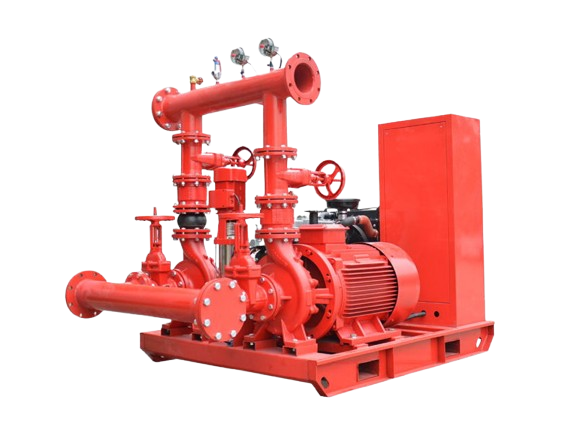
Fire emergencies can occur without warning, and when they do, every second is critical. A reliable fire protection system must be capable of delivering an immediate and uninterrupted water supply to suppress fire, protect occupants, minimize property damage, and support emergency response efforts. At the heart of every efficient fire protection network is a high-quality Electric Fire Pump, engineered to provide the pressure and flow required to keep firefighting systems fully operational during critical situations.
At Advanced Times Company (ATC), we specialize in supplying premium Electric Fire Pump Saudi Arabia solutions for commercial, industrial, institutional, and residential projects throughout the Kingdom of Saudi Arabia (KSA). Our systems are designed to deliver dependable performance, rapid automatic operation, and long-term reliability while supporting compliance with recognized fire protection standards and project specifications.
Whether you are developing a high-rise tower in Riyadh, a logistics warehouse in Dammam, a healthcare facility in Jeddah, an industrial plant in Jubail, or a hospitality project in NEOM, choosing the right Electric Fire Pump System is essential for ensuring your building’s fire protection infrastructure performs when it matters most.
Unlike ordinary water pumps, an Electric Fire Pump is a dedicated emergency system that remains on standby until a significant pressure drop is detected within the Fire Protection System. Once activated, it immediately supplies high-pressure water to Fire Sprinkler Systems, Hydrant Systems, hose reels, and other connected firefighting equipment, ensuring continuous operation throughout the emergency.
As a trusted Electric Fire Pump Supplier Saudi Arabia, Advanced Times Company offers complete end-to-end solutions, including system selection, engineering support, supply, installation, testing, commissioning, preventive maintenance, and after-sales technical assistance. Our objective is not only to provide high-quality equipment but also to help clients implement dependable fire protection solutions that safeguard lives, assets, business continuity, and regulatory compliance.
Whether your project requires a standalone Fire Fighting Electric Pump, a complete Fire Pump Package, or an integrated Fire Pump System, our experienced team delivers customized solutions tailored to your operational requirements, building design, hydraulic calculations, and fire protection objectives.
Why a Reliable Electric Fire Pump is Critical for Modern Buildings
Modern buildings are becoming larger, taller, and more complex. Commercial towers, hospitals, manufacturing facilities, shopping malls, airports, educational campuses, and industrial plants all require sophisticated fire protection systems capable of responding instantly during emergencies.
Municipal water supplies alone are often unable to maintain the pressure necessary to operate sprinkler systems across multiple floors or throughout large industrial facilities. During a fire, inadequate water pressure can significantly reduce the effectiveness of firefighting equipment, allowing flames to spread rapidly and increasing the risk of injury, structural damage, and business interruption.
A professionally designed Electric Fire Pump for Fire Protection solves this challenge by ensuring that sufficient water pressure is available whenever the fire protection system is activated.
The pump automatically responds to pressure loss, delivering a continuous and reliable water supply that supports:
- Fire Sprinkler System
- Hydrant System
- Fire Hose Reel Systems
- Water Spray Systems
- Deluge Systems
- Foam Fire Protection Systems (where applicable)
- Other integrated firefighting networks
By maintaining the required hydraulic performance, an Electric Driven Fire Pump helps control fire during its earliest stages, reducing the likelihood of extensive damage while improving occupant safety and supporting emergency response teams.
For facilities where uninterrupted fire protection is mandatory, investing in a high-quality Commercial Fire Pump is not simply a regulatory requirement—it is a long-term investment in operational resilience and life safety.
What is an Electric Fire Pump?
An Electric Fire Pump is a specialized Fire Protection Pump powered by an electric motor and designed exclusively to provide pressurized water to firefighting systems during emergency conditions. Unlike conventional pumps used for water transfer or domestic applications, a fire pump operates only when the fire protection network requires additional pressure to effectively distribute water throughout the building.
Under normal operating conditions, the Electric Fire Pump System remains in standby mode while continuously monitoring pressure within the fire protection piping network. A smaller Jockey Pump typically maintains system pressure during routine conditions by compensating for minor pressure variations caused by temperature changes or insignificant leaks.
When a sprinkler head activates because of heat, or when a hydrant valve is opened during firefighting operations, water begins flowing through the network. This causes a significant pressure drop within the system. The Fire Pump Controller immediately detects this change and automatically starts the Electric Motor, allowing the pump to deliver high-pressure water to the entire Fire Water Pump network.
Unlike standard pumps that start and stop frequently, an Automatic Fire Pump continues operating until it is manually shut down by authorized personnel after the emergency has been resolved. This design prevents accidental shutdown during active firefighting operations and ensures a stable water supply throughout the incident.
Today, Electric Fire Pump Sets are widely used in:
- Commercial office buildings
- Shopping malls
- High-rise residential towers
- Hotels and resorts
- Hospitals and healthcare facilities
- Manufacturing plants
- Warehouses and logistics centers
- Educational institutions
- Airports
- Government buildings
- Petrochemical facilities
- Oil & Gas installations
- Data centers
- Industrial processing plants
Their ability to provide immediate, dependable, and continuous water delivery makes them one of the most important components of any modern Fire Protection System.
How Does an Electric Fire Pump System Work?
Although an Electric Fire Pump appears to be a straightforward piece of equipment, its operation involves a carefully engineered sequence of hydraulic, electrical, and mechanical processes designed to ensure an immediate response during emergencies.
Understanding how the system works helps project owners, consultants, facility managers, and maintenance teams appreciate why every component plays a critical role in protecting lives and property.
1. Continuous Pressure Monitoring
The Fire Pump Controller continuously monitors the pressure inside the fire protection piping network.
As long as the pressure remains within the preset operating range, the main Electric Fire Pump stays in standby mode.
Minor pressure fluctuations are managed by the Jockey Pump, preventing unnecessary starts of the main pump.
2. Fire Detection Through Pressure Drop
During a fire emergency, one or more sprinkler heads activate automatically due to heat, or firefighters open a hydrant valve.
Water immediately begins flowing through the piping network.
This causes the overall system pressure to decrease rapidly.
Rather than relying on smoke detectors or fire alarms, the Electric Fire Pump System responds to hydraulic pressure changes, ensuring rapid activation even if electrical communication systems are compromised.
3. Automatic Pump Startup
As soon as the pressure falls below the programmed threshold, the Fire Pump Controller sends an electrical signal to the Electric Motor.
Within seconds, the motor reaches operating speed and begins rotating the pump shaft.
This immediate response minimizes delays in supplying water to the fire suppression system.
4. Water Suction
Once the impeller begins rotating, it creates a low-pressure zone inside the pump casing.
This pressure difference allows water to flow from the dedicated fire water storage tank or approved water source into the pump through the suction piping.
Proper suction pipe design is essential to prevent cavitation, maintain hydraulic efficiency, and ensure continuous water delivery throughout the emergency.
5. Pressure Generation
Inside the pump, the rotating impeller transfers mechanical energy to the water.
The velocity of the water increases significantly before being converted into pressure within the pump casing.
This process enables the Electric Fire Pump to generate the high discharge pressure required for effective firefighting operations, particularly in high-rise buildings and large industrial facilities.
6. Water Distribution
The pressurized water is discharged into the building’s Fire Protection System, supplying all connected firefighting equipment, including:
- Fire Sprinkler System
- Hydrant System
- Fire Hose Reels
- Monitor Systems
- Deluge Systems
- Water Spray Systems
The pump maintains consistent pressure and flow, ensuring that every protected area receives sufficient water regardless of the building’s size or complexity.
7. Continuous Emergency Operation
One of the defining characteristics of an Automatic Fire Pump is that it does not stop automatically when system pressure returns to normal.
Instead, it continues operating until trained personnel manually shut it down after confirming that firefighting operations have concluded.
This prevents accidental interruptions that could compromise fire suppression efforts.
The Role of an Electric Fire Pump Within a Complete Fire Protection System
A common misconception is that the Electric Fire Pump extinguishes fires on its own. In reality, it functions as the hydraulic powerhouse behind the entire fire protection network.
It works in coordination with multiple interconnected systems, each performing a specific role:
- The Fire Pump Controller monitors system pressure and manages automatic pump operation.
- The Jockey Pump maintains standby pressure during normal conditions.
- The Fire Sprinkler System detects heat and automatically discharges water onto the affected area.
- The Hydrant System provides firefighters with access to high-pressure water for manual firefighting.
- Fire hose reels enable trained personnel to respond quickly during the early stages of a fire.
- Water storage tanks ensure an adequate water supply for the required firefighting duration.
Only when these components are correctly engineered, installed, and maintained can the overall Fire Pump System perform as intended during an emergency.
Why This Matters for Projects in Saudi Arabia
Saudi Arabia continues to experience rapid growth in commercial, industrial, infrastructure, healthcare, hospitality, and mixed-use developments under Vision 2030. As buildings become larger and more technologically advanced, the demand for dependable Electric Fire Pump Saudi Arabia solutions also increases.
Projects across Riyadh, Jeddah, Dammam, Khobar, Jubail, Makkah, Madinah, and emerging developments such as NEOM require fire protection systems capable of supporting complex building layouts, high occupancy levels, and critical operational environments. Selecting the appropriate Electric Fire Pump is therefore not only a technical decision but also a key investment in long-term safety, regulatory compliance, and business continuity.
Main Components of an Electric Fire Pump System
The performance of an Electric Fire Pump System depends on much more than just the pump itself. It is a carefully engineered assembly of mechanical, hydraulic, and electrical components designed to work together during fire emergencies. Every component performs a specific function that ensures reliable water delivery, stable pressure, and uninterrupted operation when lives and property are at risk.
At Advanced Times Company (ATC), we understand that even the highest-quality pump cannot deliver optimal performance without properly selected and integrated components. This is why every Electric Fire Pump solution is engineered to provide maximum reliability, operational efficiency, and long service life.
Below is a detailed overview of the essential components found in a modern Fire Pump System.
Electric Motor – The Driving Force Behind the Pump
The Electric Motor provides the mechanical power required to operate the Electric Fire Pump. It converts electrical energy into rotational motion, allowing the pump to generate the pressure and flow needed to supply water throughout the fire protection network.
Unlike standard industrial motors, fire pump motors are specifically selected for emergency operation. They are designed to start immediately when commanded by the Fire Pump Controller and continue running under demanding conditions until manually stopped.
Key Features
- High starting torque for immediate response
- Continuous-duty operation during emergencies
- Stable performance under varying load conditions
- Energy-efficient design
- Reliable operation with minimal maintenance
- Long operational lifespan
A properly sized motor is essential because an undersized motor may fail to deliver the required hydraulic performance, while an oversized motor can increase installation and operating costs unnecessarily.
Pump Casing – The Structural Core
The Pump Casing encloses the internal hydraulic components and directs water through the pump while minimizing energy losses.
Manufactured from robust materials such as cast iron, ductile iron, or stainless steel, the casing is engineered to withstand high operating pressures and harsh environmental conditions.
A well-designed casing provides:
- Efficient water flow
- Reduced hydraulic losses
- Excellent structural strength
- Improved corrosion resistance
- Long-term durability
Its hydraulic design plays a significant role in the overall efficiency of the Electric Fire Pump System.
Impeller – The Heart of the Pump
The Impeller is the most critical rotating component inside an Electric Fire Pump.
As the motor rotates the impeller at high speed, centrifugal force accelerates the water outward, converting mechanical energy into hydraulic energy. This process creates the pressure required to operate the Fire Sprinkler System, Hydrant System, and other connected firefighting equipment.
The design of the impeller directly influences:
- Water flow rate
- Discharge pressure
- Pump efficiency
- Energy consumption
- Operational stability
Precision-balanced impellers also reduce vibration, improve performance, and extend equipment life.
Pump Shaft
The pump shaft mechanically connects the Electric Motor to the impeller, transmitting rotational power efficiently throughout the pumping process.
High-strength alloy steel shafts are commonly used because they offer:
- Excellent torsional strength
- Resistance to mechanical stress
- Long service life
- Reliable alignment under heavy operating conditions
Proper shaft alignment is essential for reducing wear on bearings and seals.
Bearings
Bearings support the rotating shaft while minimizing friction between moving components.
High-quality bearings provide several operational advantages:
- Smooth rotation
- Reduced vibration
- Lower operating temperatures
- Increased mechanical efficiency
- Extended equipment life
Routine inspection and lubrication help maintain reliable bearing performance throughout the pump’s service life.
Mechanical Seal or Packing
To prevent water leakage around the rotating shaft, the pump uses either a Mechanical Seal or a traditional packing arrangement.
Mechanical seals are widely preferred because they:
- Minimize water leakage
- Reduce maintenance requirements
- Improve operational reliability
- Extend pump life
- Maintain system efficiency
Proper sealing protects both the pump and surrounding equipment from unnecessary water damage.
Flexible Coupling
The flexible coupling joins the Electric Motor and pump shaft.
Although it appears to be a simple component, it plays a vital role in absorbing minor misalignment, reducing vibration, and transmitting torque efficiently.
Benefits include:
- Smoother operation
- Lower vibration levels
- Reduced mechanical stress
- Easier maintenance
- Improved equipment longevity
Fire Pump Controller
The Fire Pump Controller serves as the operational brain of the Automatic Fire Pump.
Its primary responsibilities include:
- Monitoring system pressure
- Automatically starting the pump
- Allowing manual operation
- Monitoring motor status
- Recording operational events
- Displaying alarms and fault conditions
- Protecting electrical components
Modern controllers also provide advanced diagnostic capabilities, making maintenance easier and improving overall system reliability.
Jockey Pump
The Jockey Pump is a small but essential component of the Fire Protection System.
Rather than allowing the main Electric Fire Pump to start whenever a slight pressure drop occurs, the jockey pump maintains normal standby pressure by compensating for:
- Minor pipe leakage
- Temperature-related expansion or contraction
- Small pressure fluctuations
This reduces unnecessary operation of the main fire pump, extending its service life while ensuring the system remains fully pressurized.
Pressure Gauges
Pressure gauges provide real-time monitoring of both suction and discharge pressures.
These instruments allow operators to:
- Verify proper system performance
- Detect abnormal operating conditions
- Identify pressure loss
- Assist during testing and maintenance
- Monitor hydraulic efficiency
Accurate pressure readings are essential for ensuring that the Fire Pump System performs according to design requirements.
Pressure Relief Valve
The pressure relief valve protects the Electric Fire Pump System from excessive discharge pressure.
In situations where pressure exceeds safe operating limits, the valve automatically releases excess pressure, protecting both the pump and connected piping from potential damage.
Check Valve
The check valve allows water to flow in only one direction.
After the pump stops operating, it prevents reverse water flow that could:
- Reduce system pressure
- Damage internal pump components
- Create hydraulic instability
This simple component significantly improves operational safety and reliability.
Gate Valve
Gate valves are installed on both the suction and discharge sides of the Electric Fire Pump.
They allow maintenance personnel to isolate the pump during inspections, repairs, or component replacement without shutting down the entire fire protection network.
Base Frame
The base frame provides structural support for the complete Fire Pump Package.
A properly designed base frame:
- Maintains equipment alignment
- Minimizes vibration
- Simplifies installation
- Improves long-term mechanical stability
Types of Electric Fire Pumps
Every building presents unique hydraulic requirements. Selecting the correct Electric Fire Pump configuration depends on factors such as water source, building height, required pressure, flow demand, available installation space, and applicable fire protection standards.
At Advanced Times Company, we provide multiple pump configurations to meet the diverse needs of projects across Saudi Arabia.
Horizontal Split Case Fire Pump
The Horizontal Split Case Pump is the most commonly specified solution for medium to large commercial and industrial developments.
Its horizontally split casing allows maintenance technicians to inspect or replace internal components without disconnecting pipework.
Advantages
- Exceptional hydraulic efficiency
- High-capacity water delivery
- Easy maintenance
- Excellent reliability
- Long operational lifespan
- Low vibration
Best Applications
- High-rise buildings
- Shopping malls
- Airports
- Hospitals
- Industrial facilities
- Government complexes
End Suction Fire Pump
The End Suction Pump is known for its compact footprint and cost-effective design.
Water enters through the front of the pump and exits vertically or horizontally depending on configuration.
Advantages
- Compact installation
- Economical solution
- Easy maintenance
- Simplified piping arrangement
- Reliable performance
Recommended For
- Schools
- Hotels
- Office buildings
- Small commercial facilities
- Residential developments
Vertical Turbine Fire Pump
Where the available water source is located below ground level, a Vertical Turbine Pump becomes the preferred solution.
Instead of drawing water horizontally, these pumps lift water vertically from wells, reservoirs, lakes, or underground storage tanks.
Key Benefits
- Ideal for deep water sources
- High hydraulic efficiency
- Reliable continuous operation
- Suitable for large-scale facilities
Common Applications
- Oil & Gas plants
- Ports
- Marine terminals
- Water treatment facilities
- Petrochemical industries
Vertical In-Line Fire Pump
The Vertical In-Line Pump is installed directly into the piping system, making it an excellent option where mechanical room space is limited.
Advantages
- Compact footprint
- Easy installation
- Reduced piping requirements
- Lower structural load
- Efficient operation
Suitable For
- Hotels
- Office towers
- Commercial buildings
- Healthcare facilities
Multi-Stage Fire Pump
A Multi-Stage Fire Pump contains multiple impellers arranged in series, allowing it to generate significantly higher pressure than a single-stage design.
Advantages
- Extremely high discharge pressure
- Excellent efficiency
- Stable hydraulic performance
- Ideal for tall buildings
Applications
- High-rise towers
- Large industrial plants
- Specialized infrastructure
- Long-distance water distribution systems
How to Select the Right Electric Fire Pump
Choosing the correct Electric Fire Pump requires much more than selecting a pump based on horsepower or price. Every project has unique hydraulic, operational, and regulatory requirements that must be carefully evaluated to ensure reliable fire protection.
At Advanced Times Company, our engineering team assesses several critical factors before recommending a solution.
Building Type
The intended use of the building has a direct impact on pump selection. A hospital, shopping mall, warehouse, hotel, or petrochemical facility each has different fire protection demands.
Required Flow Rate
The required water flow must be calculated based on the building’s fire protection design, occupancy classification, and firefighting requirements.
Required Pressure
The pump must generate sufficient pressure to deliver water effectively throughout the entire Fire Protection System, including the highest and most remote discharge points.
Water Source
The available water source—whether a storage tank, underground reservoir, municipal supply, or well—determines the most suitable pump configuration.
System Compatibility
The selected Electric Fire Pump System must integrate seamlessly with the building’s Fire Sprinkler System, Hydrant System, controllers, valves, and monitoring equipment.
Future Expansion
Projects expected to expand over time should consider future hydraulic requirements to avoid costly system upgrades later.
Compliance Requirements
The pump should be selected in accordance with project specifications, applicable fire protection standards, and the requirements of the relevant authorities having jurisdiction.
Technical Specifications of Our Electric Fire Pump
Selecting the right Electric Fire Pump is not simply about choosing a pump with the highest capacity. Every fire protection project has unique hydraulic requirements based on the building size, occupancy, fire risk classification, water source, and applicable codes. A properly engineered Electric Fire Pump System must be capable of supplying the required flow and pressure under emergency conditions while maintaining reliable operation throughout the firefighting process.
At Advanced Times Company (ATC), we work closely with consultants, MEP contractors, project owners, and facility managers to ensure that every Electric Fire Pump Saudi Arabia solution is selected according to project-specific hydraulic calculations and fire protection requirements.
Our engineering team evaluates every technical parameter before recommending the most suitable Fire Pump Package, ensuring maximum efficiency, long-term reliability, and compliance with applicable standards.
Pump Capacity
Pump capacity refers to the volume of water that the Electric Fire Pump can deliver within a specified period. It is one of the most critical design factors because insufficient capacity may compromise firefighting operations, while excessive capacity can lead to unnecessary energy consumption and increased project costs.
The required capacity depends on several factors, including:
- Building occupancy
- Fire hazard classification
- Number of sprinkler zones
- Hydrant demand
- Fire suppression requirements
- Hydraulic calculations
- Future expansion requirements
Every project should undergo professional hydraulic analysis before selecting pump capacity.
Flow Rate
The Flow Rate determines how much water the Fire Pump System supplies to the firefighting network.
A properly selected flow rate ensures that all connected systems receive adequate water simultaneously during an emergency.
The required flow depends on:
- Sprinkler system demand
- Hydrant system demand
- Building size
- Occupancy load
- Fire protection design criteria
Maintaining the correct flow rate is essential for ensuring that sprinkler heads discharge sufficient water to control or suppress fire effectively.
Discharge Pressure
The Discharge Pressure generated by the Electric Fire Pump must be sufficient to overcome friction losses, elevation changes, and piping resistance while delivering adequate pressure to every sprinkler and hydrant outlet.
Pressure requirements vary depending on:
- Building height
- Pipe length
- Pipe diameter
- Number of fittings
- Fire protection layout
- Operating demand
A correctly engineered pump ensures consistent pressure throughout the entire Fire Protection System, even at the most remote discharge points.
Pump Head
The Pump Head represents the total energy required to move water from the source to the highest or most hydraulically demanding point within the system.
It includes:
- Static head
- Friction losses
- Residual pressure requirements
- Safety allowances
Selecting an appropriate pump head is critical for achieving reliable system performance.
Electric Motor Rating
The Electric Motor must provide sufficient power to operate the pump efficiently under full-load emergency conditions.
Motor selection considers:
- Pump capacity
- Hydraulic efficiency
- Required pressure
- Continuous duty operation
- Electrical supply characteristics
Proper motor sizing improves reliability while reducing unnecessary operating costs.
Voltage and Frequency
Every Electric Fire Pump System should match the available electrical infrastructure of the facility.
Electrical compatibility ensures:
- Stable operation
- Safe startup
- Reduced electrical stress
- Long equipment life
Our engineering team selects motors and controllers according to project-specific electrical requirements within Saudi Arabia.
Fire Pump Controller
An advanced Fire Pump Controller provides reliable automatic operation while continuously monitoring system conditions.
Typical controller functions include:
- Automatic pump start
- Manual operation
- Emergency override
- Pressure monitoring
- Alarm indication
- Motor status monitoring
- Event recording
- Fault diagnostics
- System testing support
Modern controllers improve operational reliability while simplifying maintenance and inspections.
Materials of Construction
The durability of an Electric Fire Pump depends heavily on the materials used during manufacturing.
High-quality materials improve:
- Corrosion resistance
- Mechanical strength
- Hydraulic efficiency
- Operational lifespan
- Long-term reliability
Material selection should consider environmental conditions, water quality, and project requirements.
Hydraulic Efficiency
Hydraulic efficiency directly influences energy consumption and pump performance.
A highly efficient Fire Fighting Electric Pump:
- Produces better pressure
- Delivers stable water flow
- Reduces operating losses
- Minimizes mechanical wear
- Extends equipment life
System Integration
A professionally engineered Electric Fire Pump System integrates seamlessly with:
- Fire Sprinkler System
- Hydrant System
- Fire Hose Reel System
- Fire Alarm System
- Building Management System (where applicable)
- Water Storage Tanks
- Monitoring Equipment
Proper integration ensures reliable communication between all fire protection components during emergency situations.
Applications of Electric Fire Pump Across Industries in Saudi Arabia
As Saudi Arabia continues its rapid infrastructure development under Vision 2030, modern buildings and industrial facilities require highly dependable fire protection systems capable of meeting increasingly demanding safety standards.
An Electric Fire Pump is suitable for a wide range of industries where reliable emergency water supply is essential.
Commercial Office Buildings
Commercial buildings accommodate hundreds or even thousands of employees and visitors every day. Fire protection systems must therefore respond immediately to prevent fire from spreading throughout occupied spaces. A professionally designed Commercial Fire Pump ensures that sprinkler systems and hydrants maintain adequate water pressure across every floor, helping protect occupants, office equipment, and business operations.
High-Rise Residential Towers
Tall residential buildings present unique hydraulic challenges due to their height and complex plumbing systems. An Electric Fire Pump System provides the pressure required to deliver water effectively to upper floors, ensuring that every apartment remains protected during fire emergencies. Reliable fire protection is particularly important in high-rise developments where evacuation may require additional time.
Hospitals and Healthcare Facilities
Hospitals operate continuously and contain patients who may not be capable of immediate evacuation.
A dependable Fire Protection Pump safeguards:
- Patients
- Medical staff
- Visitors
- Operating theatres
- Intensive care units
- Diagnostic laboratories
- Medical equipment
- Pharmaceutical storage
Maintaining uninterrupted water pressure is essential for protecting critical healthcare infrastructure.
Hotels and Hospitality Facilities
Hotels welcome guests from around the world and must maintain the highest standards of safety.
Installing a reliable Electric Fire Pump supports effective fire suppression while helping hotel operators protect:
- Guest rooms
- Conference halls
- Restaurants
- Kitchens
- Recreational facilities
- Service areas
Shopping Malls
Shopping centres are among the busiest commercial environments in Saudi Arabia.
Large floor areas, multiple retail outlets, food courts, cinemas, and entertainment zones require high-capacity Fire Pump Systems capable of supplying several sprinkler zones simultaneously.
Warehouses and Logistics Centres
Warehouses often contain valuable inventory, packaging materials, and combustible products.
A professionally engineered Fire Water Pump helps minimize business interruption while protecting stored goods against extensive fire damage.
Manufacturing Facilities
Manufacturing plants involve heavy machinery, electrical equipment, production lines, and various industrial processes.
An Industrial Fire Pump ensures that sufficient water pressure is available to protect production facilities, employees, and valuable machinery during emergencies.
Oil & Gas Facilities
Saudi Arabia’s oil and gas industry operates some of the world’s largest industrial facilities.
Because these environments involve highly flammable materials, dependable Fire Protection Systems are essential for reducing operational risk.
An appropriately designed Electric Fire Pump supports emergency response by supplying reliable water pressure to hydrants, monitors, sprinkler systems, and specialized fire suppression equipment.
Petrochemical Plants
Petrochemical facilities require sophisticated fire protection solutions capable of responding rapidly to high-risk operating conditions.
Reliable Fire Pump Systems contribute significantly to plant safety and operational continuity.
Airports
Modern airports contain terminals, maintenance hangars, fuel storage facilities, baggage systems, and extensive passenger areas.
A dependable Electric Fire Pump provides the hydraulic performance necessary to support large-scale fire protection networks throughout airport infrastructure.
Educational Institutions
Schools, colleges, universities, and research facilities require dependable fire protection to safeguard students, faculty members, laboratories, libraries, and administrative buildings.
Government Buildings
Government facilities house essential public services and critical documentation.
Reliable Fire Fighting Electric Pump solutions help protect infrastructure while supporting uninterrupted public operations.
Data Centres
Data centres represent one of the fastest-growing sectors within Saudi Arabia’s digital economy.
Because downtime can result in significant financial losses, maintaining dependable Fire Protection Systems is essential for protecting servers, networking equipment, and mission-critical infrastructure.
Industrial Warehouses
Large industrial warehouses require high-capacity Fire Pump Packages capable of protecting extensive storage areas while maintaining adequate pressure across multiple sprinkler zones.
Benefits of Installing an Electric Fire Pump
Investing in a professionally engineered Electric Fire Pump Saudi Arabia solution offers substantial operational, financial, and safety advantages.
1. Immediate Automatic Response
The system automatically activates whenever pressure drops, allowing firefighting operations to begin without delay.
2. Reliable Water Supply
Provides continuous water delivery throughout emergency operations.
3. Stable System Pressure
Maintains adequate pressure across the complete Fire Protection System.
4. Faster Fire Suppression
Rapid water delivery helps control fires during their earliest stages.
5. Improved Life Safety
Protects occupants by supporting effective evacuation and firefighting operations.
6. Enhanced Property Protection
Reduces structural damage and protects valuable business assets.
7. Business Continuity
Minimizes operational disruption after fire incidents.
8. Long Equipment Life
Quality engineering and preventive maintenance contribute to years of dependable operation.
9. Low Maintenance Requirements
Electric-driven systems generally require less maintenance than fuel-powered alternatives.
10. Quiet Operation
Suitable for hospitals, hotels, educational facilities, and commercial buildings where noise reduction is important.
11. Energy-Efficient Performance
Standby operation minimizes unnecessary energy consumption.
12. High Operational Reliability
Designed specifically for emergency conditions.
13. Reduced Mechanical Wear
Automatic operation and proper system design reduce unnecessary equipment stress.
14. Easy System Integration
Compatible with modern Fire Protection Systems and monitoring solutions.
15. Flexible Installation Options
Available in multiple pump configurations for various project requirements.
16. Improved Insurance Compliance
Reliable fire protection systems can support insurance risk management requirements.
17. Reduced Fire Damage Costs
Effective fire suppression minimizes repair and replacement expenses.
18. Increased Asset Protection
Protects machinery, inventory, equipment, and infrastructure.
19. Enhanced Building Value
Modern fire protection systems improve the long-term value of commercial and industrial properties.
20. Scalable Design
Systems can be engineered to accommodate future facility expansion.
21. Reliable Emergency Performance
Designed to perform consistently under demanding firefighting conditions.
22. Suitable for Multiple Industries
Applicable across commercial, industrial, healthcare, hospitality, logistics, infrastructure, and government sectors.
23. Supports Regulatory Compliance
Proper system selection assists projects in meeting applicable fire protection requirements and project specifications.
24. Increased Operational Confidence
Building owners and facility managers gain peace of mind knowing their fire protection infrastructure is designed for dependable emergency performance.
25. Long-Term Return on Investment
Although an Electric Fire Pump is primarily a life safety investment, its reliability, durability, and ability to minimize fire-related losses make it a valuable long-term asset for any facility.
Electric Fire Pump vs Diesel Fire Pump – Which One is Right for Your Project?
Selecting between an Electric Fire Pump and a diesel-driven fire pump is one of the most important decisions during the design of a Fire Protection System. Both pump types serve the same primary purpose—supplying adequate water pressure during a fire emergency—but they differ significantly in terms of power source, installation requirements, maintenance, operating costs, and ideal applications.
The right choice depends on several factors, including the reliability of the electrical supply, project specifications, local authority requirements, building occupancy, and the overall fire protection strategy.
At Advanced Times Company (ATC), our engineering team evaluates each project individually to recommend the most suitable Fire Pump System based on hydraulic calculations, operational requirements, and applicable standards.
What is an Electric Fire Pump?
An Electric Fire Pump is powered by an electric motor connected to the building’s electrical supply. When the Fire Pump Controller detects a pressure drop within the Fire Protection System, it automatically starts the motor, allowing the pump to deliver the required water pressure to the Fire Sprinkler System, Hydrant System, and other connected firefighting equipment.
Electric pumps are widely used in commercial, healthcare, hospitality, educational, and residential developments where a dependable electrical infrastructure is available.
What is a Diesel Fire Pump?
A diesel fire pump is powered by an internal combustion diesel engine rather than an electric motor. Instead of relying on the building’s electrical supply, the engine starts automatically using dedicated batteries and operates independently throughout the emergency. Diesel fire pumps are commonly selected for remote locations, industrial facilities, oil & gas installations, and projects where continuous electrical power cannot always be guaranteed.
Difference Between Electric Fire Pump and Diesel Fire Pump
| Feature | Electric Fire Pump | Diesel Fire Pump |
|---|---|---|
| Power Source | Electric Motor | Diesel Engine |
| Startup Time | Very Fast | Fast |
| Operating Cost | Lower | Higher |
| Fuel Requirement | None | Diesel Fuel |
| Noise Level | Low | High |
| Emissions | No on-site exhaust emissions | Produces exhaust emissions |
| Routine Maintenance | Lower | Higher |
| Mechanical Complexity | Lower | Higher |
| Installation | Simpler | More Complex |
| Space Requirement | Compact | Larger |
| Environmental Impact | More environmentally friendly | Higher emissions |
| Best Application | Commercial & Urban Buildings | Remote & Critical Facilities |
Advantages of an Electric Fire Pump
An Electric Fire Pump offers several advantages that make it the preferred solution for many commercial and institutional projects throughout Saudi Arabia.
Immediate Automatic Operation
The electric motor starts almost instantly after the Fire Pump Controller detects a pressure drop, allowing the Fire Protection System to respond without delay.
Lower Operating Costs
Since electricity is generally more economical than diesel fuel, long-term operating expenses are significantly reduced.
Reduced Maintenance
Electric motors contain fewer moving parts than diesel engines, resulting in:
- Less wear
- Fewer routine service requirements
- Lower maintenance costs
- Improved long-term reliability
Quiet Performance
Compared to diesel engines, Electric Fire Pump Systems operate with significantly lower noise levels, making them suitable for:
- Hospitals
- Hotels
- Schools
- Office buildings
- Residential towers
Environmentally Friendly
Electric-driven systems do not generate on-site exhaust emissions during operation, supporting cleaner and more sustainable building environments.
Compact Installation
Electric pumps generally require less installation space because they do not need:
- Fuel tanks
- Fuel piping
- Exhaust systems
- Engine ventilation
- Radiator assemblies
This makes them ideal where mechanical room space is limited.
Advantages of Diesel Fire Pumps
Although Electric Fire Pumps are the preferred choice for many projects, diesel pumps remain an excellent solution under certain conditions.
Major advantages include:
- Independent operation during electrical outages
- Suitable for remote facilities
- Reliable where electrical infrastructure is unavailable
- Preferred for isolated industrial sites
- Excellent for oil & gas applications
- Ideal for critical infrastructure requiring independent power
Which Pump Should You Choose?
Choosing the right Fire Pump Solution Saudi Arabia depends on multiple technical and operational considerations.
An Electric Fire Pump is generally recommended when:
- Reliable electrical power is available.
- The building is located in an urban area.
- Low maintenance is preferred.
- Quiet operation is important.
- Lower operating costs are desired.
- Space within the pump room is limited.
A diesel fire pump may be the better option when:
- The electrical supply cannot be relied upon.
- The project is located in a remote area.
- Independent operation is required by the project specification.
- Critical industrial processes demand an alternative power source.
For many large-scale projects, consultants specify both electric and diesel fire pumps as part of a comprehensive redundancy strategy.
Fire Protection Standards and Compliance
A Fire Protection System is only as effective as its compliance with recognized engineering standards and regulatory requirements. Proper compliance ensures that every component of the Electric Fire Pump System is designed, installed, tested, and maintained to perform reliably during an emergency.
At Advanced Times Company, we understand the importance of delivering solutions that align with internationally recognized fire protection practices while satisfying project specifications and local authority requirements.
NFPA 20 – Standard for the Installation of Stationary Pumps for Fire Protection
NFPA 20 is one of the world’s most widely recognized standards for fire pumps. It establishes engineering requirements for the selection, installation, and performance of stationary fire pumps used in fire protection systems.
The standard provides guidance on topics including:
- Pump selection
- Pump sizing
- Water supply arrangements
- Suction piping
- Discharge piping
- Pump room requirements
- Controller installation
- Acceptance testing
- Ongoing maintenance considerations
Following NFPA 20 helps ensure that the Electric Fire Pump operates safely, efficiently, and reliably when needed.
UL Listed
A UL Listed fire pump or component has undergone independent testing to verify that it meets recognized safety and performance requirements.
Selecting UL Listed equipment provides greater confidence in:
- Product quality
- Safety
- Reliability
- Consistent manufacturing standards
- Performance under emergency conditions
Many consultants and project specifications require UL Listed components for fire protection systems.
FM Approved
FM Approved certification indicates that equipment has been evaluated against rigorous loss prevention and performance criteria. Products carrying FM Approved certification are widely specified for projects where enhanced reliability and risk management are priorities. These certifications are commonly considered for commercial, industrial, and mission-critical facilities.
SASO
The Saudi Standards, Metrology and Quality Organization (SASO) plays an important role in establishing product quality and conformity requirements within the Kingdom of Saudi Arabia.
For projects in Saudi Arabia, it is important to ensure that equipment complies with applicable local regulations and project-specific requirements.
Saudi Civil Defense
The Saudi Civil Defense is the authority responsible for overseeing fire safety requirements and emergency preparedness across the Kingdom. Fire protection systems installed within commercial and industrial projects should be designed and implemented in accordance with applicable regulations, project approvals, and the requirements of the relevant authority having jurisdiction. Working with experienced professionals helps ensure smoother project approvals, safer installations, and long-term operational reliability.
Professional Installation of an Electric Fire Pump
Proper installation is just as important as selecting the right equipment. Even the highest-quality Electric Fire Pump cannot deliver reliable performance if it is installed incorrectly. At Advanced Times Company, our installation process follows industry best practices and is tailored to each project’s technical requirements.
Step 1 – Site Assessment
Our engineers begin by conducting a comprehensive site evaluation to understand:
- Building layout
- Fire protection requirements
- Water source
- Available installation space
- Electrical infrastructure
- Pipe routing
- Accessibility for maintenance
This assessment ensures that the selected Fire Pump System matches the project’s operational requirements.
Step 2 – Foundation Preparation
The pump foundation must provide a stable, level, and vibration-resistant platform capable of supporting the equipment throughout its service life. Proper foundation preparation minimizes mechanical stress and helps maintain shaft alignment.
Step 3 – Pump Positioning
The Electric Fire Pump, motor, controller, valves, and associated equipment are carefully positioned to allow:
- Efficient water flow
- Safe maintenance access
- Proper ventilation
- Future servicing
Correct alignment is essential for reducing vibration and extending equipment life.
Step 4 – Pipe Installation
The suction and discharge piping are installed according to hydraulic design requirements. Proper piping design minimizes friction losses while ensuring reliable water delivery throughout the Fire Protection System.
Step 5 – Electrical Connections
Qualified engineers connect the Electric Motor and Fire Pump Controller to the electrical supply in accordance with project specifications and applicable electrical standards.
Step 6 – System Integration
The Electric Fire Pump System is integrated with:
- Fire Sprinkler System
- Hydrant System
- Water storage tanks
- Alarm interfaces
- Monitoring equipment
- Building management systems (where applicable)
Proper integration ensures coordinated system performance during emergencies.
Step 7 – Pre-Commissioning Inspection
Before testing begins, every mechanical, hydraulic, and electrical connection is carefully inspected to verify:
- Equipment alignment
- Valve positions
- Controller settings
- Electrical connections
- Pressure gauges
- Safety devices
Any issues identified during inspection are corrected before commissioning proceeds.
Step 8 – Commissioning Preparation
Once installation and inspections are complete, the Electric Fire Pump is prepared for formal testing and commissioning to verify that it performs according to the approved design and project requirements.
Testing & Commissioning of an Electric Fire Pump System
Installing an Electric Fire Pump is only one part of creating a reliable Fire Protection System. Before the system is handed over for operation, it must undergo comprehensive testing and commissioning to verify that every component functions correctly and that the pump delivers the required hydraulic performance under emergency conditions.
At Advanced Times Company (ATC), we believe that thorough testing and commissioning are essential to ensuring long-term reliability, operational safety, and confidence that the system will perform when it is needed most.
Our commissioning process is carried out by experienced engineers using recognized industry practices and project-specific requirements.
Initial Visual Inspection
Before energizing the Electric Fire Pump System, every component is visually inspected to verify that the installation has been completed correctly.
The inspection typically includes:
- Equipment alignment
- Foundation stability
- Pipe connections
- Valve positions
- Pressure gauges
- Electrical wiring
- Controller configuration
- Safety devices
- Water supply connections
Any issues identified during this stage are corrected before further testing begins.
Electrical System Verification
The electrical infrastructure is inspected to ensure that the Electric Motor and Fire Pump Controller receive the correct power supply.
Engineers verify:
- Voltage
- Phase sequence
- Control circuits
- Protective devices
- Grounding
- Emergency operation
Reliable electrical performance is essential for dependable emergency operation.
Automatic Start Test
The Fire Pump Controller is tested by simulating a pressure drop within the Fire Protection System.
This confirms that:
- The controller detects pressure loss.
- The Electric Fire Pump starts automatically.
- The motor accelerates correctly.
- The system reaches operating pressure quickly.
- Alarm functions operate as intended.
Manual Start Test
Manual controls are also tested to ensure that authorized personnel can operate the Electric Fire Pump whenever required.
Flow Performance Test
The Fire Pump System is tested under different operating conditions to verify that it delivers the required flow rate and pressure.
Engineers monitor:
- Flow rate
- Suction pressure
- Discharge pressure
- Pump performance
- Motor performance
These results help confirm that the installed pump matches the approved hydraulic design.
Final System Acceptance
After successful testing, the complete Electric Fire Pump System is reviewed to ensure it performs according to the approved project requirements. Only after all inspections and performance checks have been successfully completed should the system be placed into operational service.
Preventive Maintenance for an Electric Fire Pump
A professionally maintained Electric Fire Pump provides dependable emergency performance for many years. Preventive maintenance reduces the likelihood of unexpected failures, improves equipment reliability, and helps protect the entire Fire Protection System.
Rather than waiting for problems to occur, routine inspections help identify wear, component deterioration, or operational abnormalities before they become critical.
Weekly Maintenance
Weekly inspections typically include:
- Visual inspection of the pump room
- Checking pressure gauge readings
- Verifying controller status
- Confirming valve positions
- Inspecting for unusual vibration
- Checking for water leakage
- Verifying housekeeping around equipment
Monthly Maintenance
Monthly maintenance may include:
- Controller inspection
- Battery inspection (where applicable)
- Lubrication checks
- Bearing inspection
- Mechanical seal inspection
- Pressure switch verification
- Pump operational test
Quarterly Maintenance
Quarterly maintenance focuses on:
- Alignment verification
- Pipe support inspection
- Valve operation
- Instrument calibration
- Electrical connection inspection
- Coupling inspection
Annual Maintenance
Annual servicing generally includes a comprehensive inspection of the complete Electric Fire Pump System.
This may involve:
- Complete operational testing
- Hydraulic performance evaluation
- Motor inspection
- Controller calibration
- Bearing replacement (if required)
- Mechanical seal inspection
- Valve servicing
- Pressure gauge verification
- System documentation review
A structured maintenance program helps maximize equipment life while ensuring dependable emergency performance.
Common Problems and Troubleshooting
Even a well-designed Electric Fire Pump can experience operational issues if maintenance is neglected or system components become worn. Prompt identification and correction of these issues helps maintain the reliability of the Fire Protection System.
Pump Does Not Start
Possible Causes
- Electrical supply interruption
- Controller fault
- Pressure switch malfunction
- Motor issue
- Wiring problem
Recommended Action
Inspect the electrical supply, verify controller settings, and have qualified personnel diagnose the fault before returning the system to service.
Low Water Pressure
Possible Causes
- Air in the suction line
- Partially closed valve
- Worn impeller
- Blocked suction pipe
- Incorrect pump selection
Recommended Action
Inspect the suction piping, verify valve positions, and evaluate pump performance to identify the source of pressure loss.
Excessive Vibration
Possible Causes
- Shaft misalignment
- Bearing wear
- Loose foundation bolts
- Coupling issues
- Hydraulic imbalance
Recommended Action
Inspect alignment, tighten mounting hardware, and replace worn mechanical components where necessary.
Water Leakage
Possible Causes
- Damaged mechanical seal
- Worn packing
- Loose pipe connections
- Gasket deterioration
Recommended Action
Replace damaged sealing components and inspect all pipe joints for leakage.
Motor Overheating
Possible Causes
- Electrical overload
- Ventilation obstruction
- Bearing friction
- Improper voltage
- Mechanical resistance
Recommended Action
Investigate the electrical and mechanical systems before restarting the pump.
Unusual Noise
Possible Causes
- Cavitation
- Bearing damage
- Loose coupling
- Air trapped in the system
Recommended Action
Inspect the suction conditions, bearings, and mechanical alignment to eliminate abnormal noise.
Why Choose Advanced Times Company?
Choosing the right supplier for your Electric Fire Pump Saudi Arabia project is just as important as selecting the right equipment. At Advanced Times Company, we are committed to delivering dependable fire protection solutions that combine engineering expertise, quality products, and professional support.
Our approach focuses on understanding each project’s specific requirements rather than offering one-size-fits-all solutions.
Comprehensive Fire Protection Solutions
We provide complete support throughout every stage of the project, including system selection, engineering coordination, equipment supply, installation, testing, commissioning, preventive maintenance, and technical assistance.
Experienced Technical Team
Our engineers and technicians work closely with consultants, contractors, and project owners to recommend solutions that align with project specifications and operational requirements.
Customized Project Solutions
Every facility has unique fire protection needs. We tailor our Electric Fire Pump Systems to suit the building type, hydraulic calculations, occupancy, and intended application.
Quality-Focused Approach
We emphasize equipment quality, reliable performance, and proper installation practices to help clients achieve dependable long-term operation.
Customer-Centric Service
From the initial consultation to after-sales support, we aim to build long-term relationships by delivering responsive service and practical technical guidance.
Support Across Saudi Arabia
We support projects across the Kingdom of Saudi Arabia, serving commercial, industrial, healthcare, hospitality, educational, infrastructure, logistics, and government sectors.
Frequently Asked Questions (FAQs)
1. What is an Electric Fire Pump?
An Electric Fire Pump is a specialized pump powered by an electric motor that supplies pressurized water to a Fire Protection System during fire emergencies.
2. How does an Electric Fire Pump work?
It automatically starts when the Fire Pump Controller detects a pressure drop caused by sprinkler or hydrant operation.
3. Where are Electric Fire Pumps commonly used?
They are widely used in commercial buildings, hospitals, hotels, shopping malls, warehouses, factories, airports, data centres, residential towers, and government facilities.
4. What is the purpose of a Jockey Pump?
The Jockey Pump maintains normal system pressure during standby conditions and helps prevent unnecessary starts of the main fire pump.
5. What is the difference between an Electric Fire Pump and a diesel fire pump?
The primary difference is the power source. Electric pumps use an electric motor, while diesel pumps operate using a diesel engine.
6. Can an Electric Fire Pump operate automatically?
Yes. It automatically starts when system pressure falls below the preset level.
7. Does an Electric Fire Pump stop automatically?
Typically, no. It continues operating until it is manually stopped by authorized personnel after the emergency.
8. How often should a Fire Pump System be inspected?
Inspection frequency depends on project requirements, maintenance programs, and applicable fire protection standards.
9. Why is pump testing important?
Testing verifies that the Electric Fire Pump System performs correctly under emergency conditions.
10. How long does an Electric Fire Pump last?
With proper installation and preventive maintenance, a high-quality system can provide reliable service for many years.
11. What industries benefit from an Electric Fire Pump?
Commercial, industrial, healthcare, hospitality, logistics, education, infrastructure, petrochemical, and government sectors all benefit from reliable fire pump systems.
12. Is an Electric Fire Pump suitable for high-rise buildings?
Yes. Properly designed systems provide the pressure required to protect multi-storey developments.
13. Can an Electric Fire Pump System be customized?
Yes. Every project should be engineered according to hydraulic calculations and fire protection requirements.
14. Why is professional installation important?
Correct installation ensures reliable performance, long equipment life, and proper integration with the overall Fire Protection System.
15. Why choose Advanced Times Company?
We provide professional Electric Fire Pump Saudi Arabia solutions with engineering support, supply, installation, testing, commissioning, preventive maintenance, and ongoing technical assistance tailored to project requirements.
Protect Your Facility with Reliable Electric Fire Pump Solutions
A dependable Electric Fire Pump is one of the most critical components of any modern Fire Protection System. From commercial buildings and industrial facilities to hospitals, hotels, warehouses, airports, and residential developments, reliable water pressure is essential for protecting lives, assets, and business operations during fire emergencies.
At Advanced Times Company, we are committed to delivering high-quality Electric Fire Pump Saudi Arabia solutions tailored to the unique requirements of every project. Our experienced team supports clients throughout the entire project lifecycle—from system selection and engineering coordination to installation, testing, commissioning, and preventive maintenance—helping ensure dependable performance and long-term reliability.
If you are planning a new project, upgrading an existing Fire Pump System, or require professional guidance in selecting the right solution, our team is ready to assist. Contact Advanced Times Company today to discuss your project requirements and discover how our customized fire protection solutions can help safegu Compaard your people, property, and operations across the Kingdom of Saudi Arabia.