 Skip to content
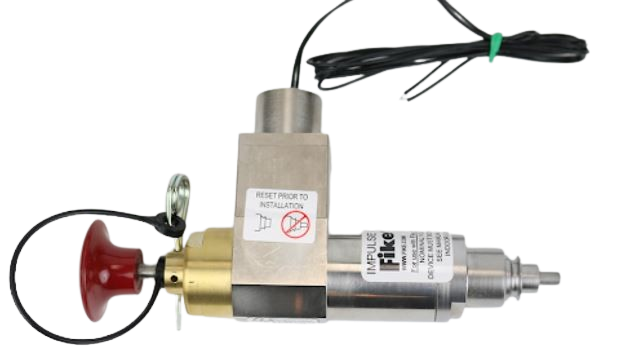
When a fire suppression system must activate quickly and reliably, every component in the release chain matters. A delay, electrical fault, incorrect component selection or unsuitable actuator can affect the performance of the complete suppression system. The Fike Solenoid Saudi Arabia solution is designed for applications where controlled electrical activation is required to initiate or control a fire suppression release mechanism.
At Advanced Times Company for General Contracting, we support clients across Saudi Arabia with fire protection equipment, gas suppression systems, clean-agent fire suppression solutions and technical support for critical fire safety applications. Our team can assist with the selection, supply, installation, testing, replacement and maintenance of compatible Fike solenoid actuator solutions according to the requirements of the installed fire suppression system.
A Fike solenoid is not simply an ordinary industrial valve used for general fluid control. In a fire suppression application, the solenoid or electrically operated actuation mechanism forms part of a carefully engineered system that may include fire detectors, a releasing control panel, electrical circuits, suppression cylinders, valves, actuators, piping and discharge nozzles.
When the system identifies a confirmed fire condition and the release sequence is authorized, the electrical activation signal can operate the relevant release mechanism. This allows the suppression system to perform its intended function and discharge the appropriate agent into the protected hazard area.
For facilities in Riyadh, Jeddah, Dammam, Khobar and other locations across the Kingdom, selecting the correct Fike solenoid valve Saudi Arabia solution requires more than simply matching a brand name. Voltage, compatibility, actuator configuration, system design, valve type, releasing panel configuration and manufacturer requirements must all be considered.
What Is a Fike Solenoid?
A Fike solenoid is an electrically operated electromechanical component used as part of an engineered fire protection or suppression system to initiate a mechanical action when an electrical signal is applied.
In general engineering terms, a solenoid uses an electrical coil to create a magnetic field. When the coil is energized, the magnetic field produces mechanical movement through an internal armature or actuator mechanism. That movement can be used to change the position of a valve, operate a release mechanism or initiate a specific mechanical action.
In a Fike fire suppression application, the exact function depends on the specific Fike system, valve assembly and actuator configuration. Some Fike systems use patented impulse valve technology in which an actuator activates a rupture disc, allowing the stored suppression agent to flow from the cylinder into the distribution piping. Fike describes its Impulse Valve technology as a system designed to provide direct, unobstructed agent flow into the piping network after activation.
This means that the Fike fire suppression solenoid should always be selected and installed according to the specific system design and approved component requirements.
In simple terms:
- A detector identifies a fire or hazardous condition.
- The fire control or releasing panel processes the signal.
- The system provides the appropriate electrical activation signal.
- The compatible Fike actuator or solenoid mechanism operates.
- The suppression valve or release mechanism is activated.
- The extinguishing agent is discharged into the protected area.
The solenoid is therefore an important link between the electrical fire detection/releasing system and the mechanical suppression equipment.
How Does a Fike Solenoid Work?
The basic operating principle of an electromechanical solenoid is based on the conversion of electrical energy into mechanical movement.
A typical solenoid assembly may include:
- An electrical coil
- An armature or plunger
- A magnetic core
- Electrical connections
- A spring or mechanical return mechanism
- An actuator interface
- A valve or release mechanism
When the appropriate electrical signal reaches the coil, an electromagnetic field is created. This field produces movement within the actuator assembly. Depending on the design, the movement may pull, push, release, open or otherwise activate a mechanical component.
In a fire suppression system, this operation must be coordinated with the releasing panel, detection logic and suppression equipment. The purpose is not simply to open a valve like a standard water or process-control solenoid. The objective is to initiate the engineered release sequence safely and reliably.
The precise electrical characteristics are system-specific. For this reason, technicians should not replace a Fike solenoid simply because another component appears physically similar. The replacement must be compatible with the original system design, voltage, control circuit, actuator arrangement and manufacturer requirements.
The Role of a Fike Solenoid in a Fire Suppression System
A modern Fike fire suppression system Saudi Arabia installation may include multiple interconnected components.
The system can include:
- Smoke detectors
- Heat detectors
- Flame detectors
- Manual release stations
- Abort switches
- Fire alarm control panels
- Releasing modules
- Suppression cylinders
- Fike valves
- Actuators
- Solenoids
- Pressure monitoring devices
- Pipe networks
- Discharge nozzles
- Alarm notification appliances
The Fike solenoid or actuator is generally associated with the release and activation side of the system.
When the detection system identifies a fire condition, the control system may initiate a pre-alarm sequence. Depending on the system design, a time delay, alarm verification, manual release or other programmed condition may be required before agent release.
Once the release command is authorized, the releasing circuit provides the required signal to the compatible actuation device. The actuator then performs its mechanical function.
This sequence is important because a fire suppression system must be:
- Fast enough to respond to a developing fire
- Reliable enough to activate when required
- Controlled enough to prevent unwanted discharge
- Compatible with the installed suppression equipment
- Tested according to the applicable system requirements
A properly selected Fike solenoid actuator Saudi Arabia solution can therefore contribute to the overall reliability of the suppression release system.
Fike Impulse Valve and Solenoid Actuation
Fike is known for fire protection technologies that include specialized suppression systems and Impulse Valve technology.
According to Fike, its Impulse Valve uses a fast-acting rupture disc and actuator mechanism. When the system is activated, the actuator causes the rupture disc to open, allowing the agent to flow from the container into the pipe network. The design is intended to avoid the flow restrictions associated with some conventional valve arrangements.
This operating principle makes correct actuator compatibility particularly important.
A Fike Impulse Valve installation may require the correct combination of:
- Valve body
- Rupture disc
- Actuator
- Electrical activation circuit
- Control equipment
- Cylinder assembly
- Pressure conditions
- System configuration
The actuation component should therefore be treated as part of a complete engineered assembly. At Advanced Times Company, customers can obtain technical assistance when they need to identify the correct Fike suppression valve actuator, replacement component or compatible fire suppression release solution.
Why the Correct Fike Solenoid Matters
A fire suppression system is a life-safety and asset-protection system. The consequences of using an incorrect or incompatible component can be serious.
An unsuitable solenoid may result in:
- Failure to activate
- Incorrect voltage operation
- Incompatible electrical load
- False activation
- Mechanical incompatibility
- Delayed system response
- Failure during testing
- Loss of system certification or approval status
This is why purchasing a generic component based only on appearance is not recommended. The correct Fike solenoid supplier should be able to help identify the required component based on the actual system.
Useful information may include:
- Fike system model
- Valve type
- Actuator model
- Existing component part number
- Electrical rating
- Control panel details
- Cylinder configuration
- System documentation
- Project specifications
- Photographs of the installed assembly
The more accurate the technical information, the easier it is to identify the correct replacement or supply solution.
Fike Solenoid Supply in Saudi Arabia
Advanced Times Company provides fire protection equipment and technical solutions for commercial, industrial and critical facilities across Saudi Arabia.
Our Fike solenoid supplier Saudi Arabia support can be suitable for clients who require:
- New fire suppression system components
- Replacement solenoids
- Actuation components
- Fike valve-related equipment
- System upgrade support
- Maintenance-related replacement parts
- Technical product identification
- Fire suppression equipment supply
We work with project owners, facility managers, contractors, MEP companies, fire protection contractors and industrial operators. Our objective is to help customers obtain the correct equipment for their specific system instead of relying on an unsuitable generic substitute.
Fike Solenoid Installation
Installation of a Fike solenoid installation should be performed by appropriately qualified fire protection technicians.
The installation process may include:
1. System Identification
The first step is to identify the existing suppression system.
Technicians may verify:
- Manufacturer
- System type
- Valve assembly
- Cylinder arrangement
- Control panel
- Actuator configuration
2. Component Verification
The supplied solenoid or actuator must be checked against the required specifications.
This may include:
- Electrical characteristics
- Mechanical compatibility
- Mounting arrangement
- Connector type
- Actuator interface
- Manufacturer documentation
3. Safe System Isolation
Before working on the release mechanism, the system must be placed into the appropriate safe maintenance condition. The procedure must be performed according to the applicable manufacturer instructions and site safety procedures.
4. Installation
The compatible component is installed in accordance with the relevant technical documentation.
5. Electrical Verification
The wiring and control circuit are checked to ensure correct connection and compatibility.
6. Functional Testing
The system is tested to verify that the release circuit and related monitoring functions operate correctly.
7. Documentation
The completed work should be recorded as part of the system maintenance and service history.
Fike Solenoid Testing and Commissioning
A Fike solenoid testing program is an important part of maintaining suppression system readiness. Testing should not be limited to checking whether a coil appears physically intact.
A professional inspection may consider:
- Electrical continuity
- Wiring condition
- Terminal condition
- Control panel signals
- Release circuit supervision
- Actuator compatibility
- Mechanical condition
- System fault indications
- Associated valve operation
- Manufacturer requirements
A complete fire suppression system test may also include:
- Detector testing
- Manual release testing
- Alarm verification
- Releasing panel testing
- Abort function testing where applicable
- Monitoring signal verification
- System interlock testing
- Pressure monitoring verification
The exact testing procedure depends on the installed system design.
Fike documentation for certain systems includes specific procedures for solenoid reset and system activation components, demonstrating why component-specific instructions are important when servicing Fike equipment.
Fike Solenoid Maintenance
Regular Fike solenoid maintenance can help identify potential problems before a fire emergency occurs.
Common maintenance activities may include:
- Visual inspection
- Checking for corrosion
- Checking electrical connections
- Inspecting cables
- Checking control panel faults
- Verifying system supervision
- Inspecting actuator condition
- Checking for physical damage
- Reviewing previous service records
- Confirming system readiness
Environmental conditions can also affect equipment performance.
Saudi Arabia presents specific operating challenges for fire protection systems, including:
- High ambient temperatures
- Dust
- Construction exposure
- Industrial contaminants
- Mechanical vibration
- Electrical fluctuations
- Long periods without system activation
For this reason, periodic professional inspection is important for critical fire suppression installations.
Common Fike Solenoid Problems
Although fire suppression systems are designed for reliability, components can develop faults over time.
1. Electrical Coil Failure
A damaged or failed coil may prevent the actuator from operating when the system sends an activation signal.
Possible causes include:
- Age
- Overheating
- Electrical fault
- Incorrect voltage
- Moisture
- Physical damage
2. Wiring Faults
Loose, damaged or corroded wiring can affect the release circuit.
Potential issues include:
- Open circuits
- Short circuits
- Loose terminals
- Damaged insulation
- Incorrect connections
3. Incorrect Replacement Component
A physically similar component may not have the correct electrical or mechanical characteristics. This is one of the reasons why a Fike solenoid replacement should be verified before installation.
4. Environmental Damage
Dust, moisture, heat and corrosion can affect components and connections.
5. Control Panel Fault
The solenoid may be functional while the releasing panel or associated circuit has a problem.
6. Actuator or Valve Mechanical Issue
A solenoid can receive an electrical signal while the associated mechanical release assembly fails to operate correctly. Therefore, diagnosis should examine the complete system rather than focusing on one component only.
Fike Solenoid Replacement in Saudi Arabia
If a Fike solenoid has failed, replacement should be performed using a compatible component suitable for the installed system.
A professional Fike solenoid replacement Saudi Arabia process should include:
- Identifying the original component.
- Confirming the Fike system configuration.
- Checking the electrical requirements.
- Confirming mechanical compatibility.
- Reviewing manufacturer documentation.
- Installing the correct replacement.
- Testing the release circuit.
- Documenting the maintenance activity.
The correct replacement may depend on the exact Fike system and actuator design.
For this reason, customers should provide the existing component part number, photographs or system details when requesting a quotation or technical assessment.
Applications of Fike Solenoid and Fire Suppression Actuation Systems
Fike fire suppression systems are used in applications where rapid, clean and reliable fire suppression is required.
Data Centers
Data centers contain valuable servers, networking equipment and digital infrastructure. Water damage can create significant operational problems. Clean-agent systems are often used because they are designed to suppress fire without leaving traditional extinguishing residue. The release mechanism must operate reliably because even a small fire can cause serious service interruption.
Server Rooms
Server rooms require reliable fire detection and suppression. A correctly configured Fike fire suppression solenoid may form part of the release mechanism in an engineered gas suppression system.
Telecommunications Facilities
Telecommunications facilities depend on continuous operation.
Suppression systems may protect:
- Network equipment
- Communication infrastructure
- Switching equipment
- Battery rooms
- Technical equipment
Electrical Rooms
Electrical equipment can be damaged by water and conventional extinguishing media. Clean-agent fire suppression systems are commonly considered for suitable electrical hazards.
Control Rooms
Industrial control rooms require protection for:
- PLC systems
- Control cabinets
- Monitoring equipment
- Automation infrastructure
Industrial Facilities
Manufacturing and industrial sites may have multiple fire hazards requiring engineered suppression solutions.
Oil and Gas Facilities
Oil and gas facilities can involve highly hazardous environments. Fire protection systems must be selected and engineered according to the hazard, equipment and project requirements.
Power Generation Facilities
Power plants and energy facilities contain valuable electrical and mechanical equipment. Fire protection systems must be maintained and tested to ensure readiness.
Fike Solenoid for Clean Agent Fire Suppression Systems
Clean-agent systems are designed to suppress fire without the same type of water damage associated with traditional sprinkler discharge.
Common clean-agent applications may include:
- Data centers
- Server rooms
- Telecom rooms
- Electrical rooms
- Control rooms
- Museums
- Archives
- Laboratories
- Financial facilities
Fike systems may be used with different suppression technologies depending on the application and system design. Fike’s chemical agent portfolio includes technologies such as FM-200, FK-5-1-12 and other clean-agent solutions, with product approvals and applications depending on the specific system and product.
The actuation mechanism is an essential part of the complete system.
Fike Solenoid and FM-200 Systems
FM-200 systems are widely used for protecting sensitive equipment and occupied environments when properly designed and installed. Advanced Times Company already provides FM-200-related fire suppression solutions, including supply, installation, maintenance and refilling support across Saudi Arabia.
In an FM-200 system, the release sequence can involve:
- Fire detection.
- Signal transmission to the control panel.
- Alarm activation.
- Pre-discharge warning.
- Release command.
- Actuator operation.
- Cylinder valve activation.
- FM-200 agent discharge.
- Fire suppression.
The Fike solenoid actuator may be involved in the actuation mechanism depending on the specific system architecture. It is important to verify the exact installed configuration rather than assuming that every FM-200 system uses the same type of actuator.
Fike Solenoid and CO₂ Fire Suppression Systems
CO₂ suppression systems are designed for specific hazards and applications. Because carbon dioxide can create life-safety risks in occupied spaces, system design, warning systems, interlocks and safety procedures are extremely important. A Fike valve actuator or solenoid-related component may be part of the release mechanism depending on the specific system design.
CO₂ systems are commonly associated with certain industrial applications, including:
- Power generation
- Machinery protection
- Generator rooms
- Industrial equipment
- Process hazards
The appropriate design must always consider occupancy, hazard classification and applicable safety requirements.
Why Professional Fike Solenoid Support Is Important
The main challenge with fire suppression components is not simply finding a product that looks similar.
The real challenge is ensuring:
- Correct technical compatibility
- Correct electrical characteristics
- Correct mechanical configuration
- Correct system integration
- Correct installation
- Correct testing
- Correct documentation
A professional supplier or fire protection contractor can help reduce the risk of incorrect selection. At Advanced Times Company, our broader fire safety capabilities include fire suppression system design, supply, installation, testing, commissioning and maintenance. This enables customers to approach Fike-related requirements as part of a complete fire protection project rather than treating the solenoid as an isolated component.
Fike Solenoid Supplier in Riyadh
Riyadh is one of the Kingdom’s largest commercial, government, industrial and infrastructure markets.
Facilities may require fire suppression components for:
- Office buildings
- Data centers
- Industrial plants
- Warehouses
- Electrical facilities
- Government buildings
- Commercial developments
Advanced Times Company is based in Riyadh and provides fire and safety system solutions for clients in Saudi Arabia. For clients searching for Fike solenoid Riyadh, technical product identification and system compatibility should be confirmed before ordering.
Fike Solenoid Support in Jeddah and Dammam
The need for reliable fire suppression equipment extends throughout the Kingdom.
Advanced Times Company can support projects in:
- Riyadh
- Jeddah
- Dammam
- Khobar
- Eastern Province
- Makkah Region
- Madinah Region
- Industrial cities
- Commercial developments
- Remote project locations
For large projects, equipment supply may be coordinated with the overall project schedule, installation program and commissioning requirements.
Fike Solenoid for Data Center Fire Protection
Data centers require a different approach to fire protection than ordinary commercial spaces.
The primary objectives include:
- Protecting people
- Protecting servers
- Preventing service interruption
- Reducing equipment damage
- Maintaining business continuity
- Supporting compliance requirements
A clean-agent system may be selected because the agent can suppress fire without the water damage associated with traditional sprinkler discharge.
The release mechanism must be properly engineered.
A typical system may include:
- Early smoke detection
- Fire alarm control panel
- Releasing panel
- Pre-discharge alarms
- Abort controls
- Suppression cylinders
- Actuators
- Distribution piping
- Discharge nozzles
A compatible Fike solenoid for data center fire suppression may be required depending on the specific system configuration.
Fike Solenoid for Industrial Fire Protection
Industrial facilities can have complex fire hazards.
These may include:
- Flammable liquids
- Combustible gases
- Electrical equipment
- Machinery
- Process equipment
- Control systems
- High-value production assets
The fire suppression system must be selected based on the specific hazard. In these environments, reliable release equipment is critical. A Fike suppression valve actuator may be part of the overall engineered fire protection system, helping connect the electronic release command with the mechanical discharge process.
Standards and Compliance Considerations
Fire suppression systems should be designed, installed, tested and maintained according to the applicable standards, manufacturer requirements and project specifications.
Depending on the system, relevant standards may include:
- NFPA 2001
- ISO 14520
- Applicable NFPA fire protection standards
- Saudi Civil Defense requirements
- Applicable Saudi regulations
- Project consultant specifications
- Manufacturer installation requirements
The exact requirements depend on the system type, protected hazard and project approval process. Fike’s own product information references standards and approvals for particular suppression products, while Advanced Times Company positions its fire suppression services around international standards and Saudi requirements.
A component should never be considered compliant merely because it carries a particular brand name. The complete system must be correctly designed and installed.
Our Fike Solenoid Support Process
At Advanced Times Company, our process can include:
Step 1: Requirement Review
We understand the customer’s requirement.
Step 2: System Identification
We identify the installed Fike system and related components.
Step 3: Technical Verification
We verify the required solenoid, actuator or compatible component.
Step 4: Supply
We arrange the required equipment according to project requirements.
Step 5: Installation Support
Where required, our technical team supports installation.
Step 6: Testing
The system is checked according to applicable procedures.
Step 7: Maintenance
Ongoing maintenance and replacement support can be arranged.
This structured approach helps customers avoid the common mistake of ordering a component without confirming its compatibility.
Why Choose Advanced Times Company for Fike Solenoid Solutions?
Saudi Arabia-Based Fire Protection Expertise
We understand the requirements of projects operating in the Kingdom.
Complete Fire Protection Capability
Our services extend beyond one component. We support fire suppression systems, fire alarms, detection, installation, maintenance and related safety solutions.
Technical Product Support
We help customers identify the correct equipment for their system requirements.
Project-Focused Service
We work with facility owners, contractors, consultants and project teams.
Supply and Installation Support
Our services can cover equipment supply and technical implementation.
Maintenance and Testing
A fire protection system requires ongoing attention after installation.
Support for Critical Facilities
Our fire suppression expertise is relevant to facilities where fire protection must protect both life safety and business-critical assets.
Frequently Asked Questions
What is a Fike solenoid?
A Fike solenoid is an electrically operated actuation component used within compatible Fike fire protection or suppression system configurations to initiate a mechanical activation sequence.
What is the difference between a Fike solenoid and a standard solenoid valve?
A standard solenoid valve may be used for general fluid control. A Fike solenoid or actuator used in a fire suppression system forms part of a specialized engineered release system and must be compatible with the specific valve, actuator and control arrangement.
Can I replace a Fike solenoid with any similar solenoid?
No. Physical similarity does not guarantee electrical or mechanical compatibility. The correct replacement should be verified against the installed system and manufacturer requirements.
Do you supply Fike solenoids in Saudi Arabia?
Advanced Times Company supports fire protection equipment supply and technical solutions for projects across Saudi Arabia. Contact our team with the system details and existing component information for technical review.
Do you provide Fike solenoid installation?
Yes, where the requirement is part of a compatible fire protection system project, installation and technical support can be arranged.
Can a Fike solenoid be used in an FM-200 system?
The answer depends on the specific FM-200 system design, cylinder valve and actuation arrangement. The exact component must be verified before installation.
Can you support Fike solenoid replacement?
Yes. We can help with technical identification and replacement support based on the system model, existing component information and project requirements.
How often should a Fike solenoid be inspected?
Inspection frequency depends on the applicable standard, manufacturer instructions, system type and project requirements. Fire suppression systems should be maintained according to an established inspection and maintenance program.
What information should I provide when requesting a Fike solenoid?
Useful information includes:
- Existing part number
- Photographs
- Fike system model
- Valve model
- Actuator details
- Control panel information
- Electrical specifications
- Cylinder information
Do you provide fire suppression services beyond Fike solenoid supply?
Yes. Advanced Times Company provides broader fire protection solutions including fire suppression system design, supply, installation, testing, commissioning and maintenance.
Get the Right Fike Solenoid Solution for Your Fire Suppression System
A fire suppression system must be ready before an emergency occurs. The reliability of the release mechanism is therefore a critical part of overall system performance.
Whether you require a new Fike solenoid Saudi Arabia solution, a compatible Fike solenoid actuator, replacement equipment, installation support, testing or maintenance, Advanced Times Company can help you evaluate the requirement and identify the appropriate solution for your fire protection system.
We support commercial, industrial and critical facilities across Saudi Arabia with fire protection equipment and system services. For technical assistance, contact Advanced Times Company with your existing Fike system details, component photographs or part number.
Protect your facility with the right fire suppression equipment, professional technical support and a properly maintained release system.
Contact Advanced Times Company today for Fike solenoid supply and fire suppression system support in Saudi Arabia.