 Skip to content
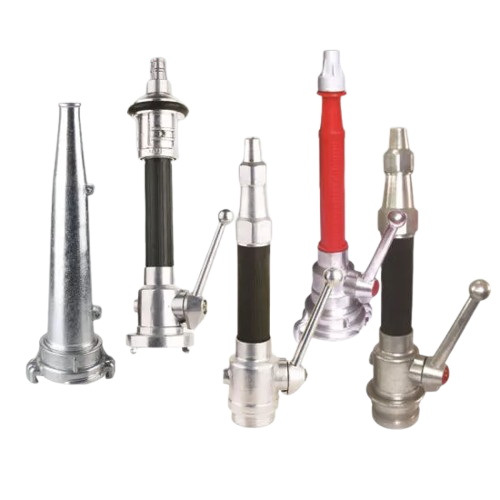
A heavy duty fire nozzle is not simply a stronger version of an ordinary hose nozzle. For industrial and high-risk fire protection applications, the nozzle must work as part of a complete system where hose size, water pressure, flow rate, pump capacity, connection type and operating conditions all have to work together.
For facilities in Saudi Arabia, these requirements can become even more important. Industrial sites, warehouses, oil and gas facilities, petrochemical plants, commercial buildings and other large properties may expose firefighting equipment to heat, dust, humidity, intensive use and demanding operating conditions. The right nozzle should therefore be selected according to the actual fire protection application—not simply by choosing the largest or highest-pressure model available.
What Is a Heavy Duty Fire Nozzle?
A heavy-duty fire nozzle is a firefighting nozzle designed for demanding applications where durability, controlled water discharge and dependable operation are important. It is normally connected to a fire hose, hydrant system, fire engine or other water-delivery arrangement. Its job is to control the direction and pattern of the water while allowing the operator to deliver water where it is needed.
Depending on the design, a heavy duty fire hose nozzle may provide a straight stream, fog pattern, adjustable spray or variable flow. The important point is that nozzle performance depends on the complete firefighting system. A nozzle cannot compensate for inadequate water pressure or insufficient flow from the upstream system. NFPA material on spray nozzles specifically notes that satisfactory performance requires adequate pressure and water volume.
For this reason, nozzle selection should be treated as a system-design decision rather than an isolated product purchase.
What Makes a Fire Nozzle Heavy Duty?
Several characteristics separate an industrial-grade nozzle from a basic firefighting or utility nozzle.
Durable construction
Industrial firefighting equipment may experience repeated operation, impact, pressure fluctuations and harsh environmental exposure. Materials such as brass, aluminum alloy and stainless steel are commonly used in fire-nozzle construction, depending on the design and application. Advanced Times Company identifies brass, aluminum alloy, stainless steel, hard-anodized aluminum and other corrosion-resistant metals among the materials used for its firefighting-nozzle solutions.
The correct material should be selected according to the application rather than assuming one material is universally superior.
Pressure capability
A high pressure fire nozzle should be matched to the pressure available from the fire protection system. Higher pressure does not automatically mean better firefighting performance. If the pump, hose, fittings and nozzle are not properly matched, the system may not deliver the intended flow or operating characteristics. Always check the manufacturer’s rated operating conditions before specifying a nozzle.
Flow control
Flow is another critical consideration. Some nozzles provide a fixed discharge, while others allow the operator to select or adjust flow. A variable flow fire nozzle can provide greater operational flexibility where different discharge rates are required. However, the selected flow range must remain compatible with the water supply and the design requirements of the firefighting system.
Spray-pattern control
A heavy-duty adjustable nozzle may allow the operator to move between a straight stream and different fog patterns. That flexibility can be useful when the firefighting situation changes. Straight stream and fog patterns have different operating characteristics and should not be treated as interchangeable.
Heavy Duty Fire Nozzle Types to Consider
There is no single nozzle design that is appropriate for every application. The correct option depends on the hazard, hose arrangement, water supply and operational requirements.
| Nozzle type | Main characteristic | Typical application |
|---|---|---|
| Straight stream fire nozzle | Concentrated water discharge | Long-range and exterior firefighting |
| Adjustable fog nozzle | Pattern adjustment | Commercial and general firefighting |
| Variable flow fire nozzle | Adjustable discharge | Industrial and emergency response |
| High pressure fire nozzle | Designed for demanding pressure conditions | High-rise and industrial systems |
| Combination nozzle | Straight stream and fog capability | Flexible firefighting operations |
Straight Stream Fire Nozzle
A straight stream fire nozzle produces a concentrated water stream intended for reach and penetration. This configuration can be useful when firefighters need to project water toward a fire from a greater distance or reach an elevated or difficult location. It should not, however, be selected solely because it produces a concentrated stream. The available pressure, flow and hose arrangement still need to support the required performance.
Adjustable Fog Nozzle
An adjustable fog nozzle allows the operator to alter the water pattern. Depending on the model, the available patterns may include straight stream, narrow fog and wide fog. Industry guidance commonly distinguishes these patterns because they provide different reach, water distribution and heat-absorption characteristics.
This flexibility can make an adjustable design useful for buildings, industrial facilities, hose cabinets and other applications where operating conditions can vary.
Variable Flow Fire Nozzle
A variable flow fire nozzle gives the operator control over the amount of water being discharged within the nozzle’s rated operating range. This can be valuable when a firefighting team needs flexibility between different fire conditions or applications. The key is to match the selectable flow settings to the available pump capacity and system design. More adjustment does not automatically mean better performance.
High Pressure Fire Nozzle
A high-pressure design is intended for applications where the system operates at demanding pressure conditions. Potential applications can include high-rise buildings, industrial facilities and certain oil and gas or petrochemical environments. Advanced Times Company specifically identifies high-pressure nozzle solutions for high-rise, petrochemical, oil and gas and large industrial applications.
The pressure rating should always be verified against the manufacturer’s technical documentation and the project’s hydraulic design.
How to Choose a Heavy Duty Fire Nozzle in Saudi Arabia
Selecting a heavy duty fire nozzle Saudi Arabia project requires more than checking the product name.
Start with these six factors.
1. Determine the application
Identify where the nozzle will be used. A warehouse hose system may have different requirements from an oil and gas facility, manufacturing plant, airport, marine installation or high-rise building. The hazard classification, response strategy and system design should guide the selection.
2. Check available water pressure and flow
Before choosing a high-pressure or variable-flow nozzle, confirm what the fire pump and water supply can actually deliver. The nozzle’s rated flow and pressure should align with the hydraulic design. This is one of the most important checks because a nozzle that is unsuitable for the available water supply may not deliver the expected stream characteristics.
3. Confirm hose and connection size
Connection compatibility is essential. Fire hose systems may use different hose diameters, threads and connection arrangements. A nozzle that looks appropriate but has the wrong connection can become a procurement problem—or worse, create an unsafe configuration.
Specify:
- Hose diameter
- Connection type
- Thread or coupling specification
- Required nozzle inlet
- Required flow range
4. Select the required spray pattern
Consider whether the application needs:
- Straight stream
- Narrow fog
- Wide fog
- Adjustable pattern
- Fixed discharge
A straight stream fire nozzle may be appropriate where reach is a priority, while an adjustable design can provide more flexibility.
5. Consider the operating environment
Saudi Arabia presents a range of environmental conditions. Equipment used in coastal areas may experience humidity and salt exposure, while industrial facilities can expose equipment to dust, heat and other contaminants. Advanced Times Company highlights corrosion resistance as an important consideration for firefighting equipment used in Saudi Arabia, particularly in coastal and industrial environments.
6. Verify applicable requirements
Project specifications may reference Saudi requirements, international standards or client-specific engineering specifications. SASO has a dedicated Technical Committee for Fire Fighting Equipment covering extinguishing devices and firefighting equipment.
The applicable project requirements should therefore be checked before purchasing. Where NFPA compliance is specified, the exact applicable edition and product requirements should also be confirmed. NFPA’s current publication structure includes NFPA 1960, which covers fire hose connections and spray nozzles, while NFPA 1962 addresses care, use, inspection, service testing and replacement of hoses, couplings and nozzles.
Where Are Heavy Duty Fire Nozzles Used?
Heavy-duty nozzles can form part of firefighting arrangements in many demanding environments.
Industrial facilities
Manufacturing plants may require durable equipment that can withstand frequent inspection, handling and emergency use.
Oil and gas facilities
Oil and gas operations can involve significant fire hazards and specialized fire protection requirements. Nozzle selection should be based on the site’s engineered firefighting strategy and applicable specifications.
Petrochemical plants
Petrochemical facilities may require robust firewater equipment designed around the site’s hydraulic and emergency-response requirements.
Warehouses
Large warehouses can contain substantial combustible loading and may require strategically positioned hose and hydrant equipment.
Commercial buildings
Hotels, shopping centers, offices and other commercial properties may use fire hose systems where controlled water discharge is part of the building’s fire protection arrangement.
Infrastructure and government projects
Large infrastructure developments may require standardized equipment across multiple buildings or facilities, making consistency, documentation and supplier support important procurement considerations.
Heavy Duty Fire Nozzle Selection Checklist
Before ordering an industrial or high pressure fire nozzle Saudi Arabia project, confirm the following:
- What hazard is the nozzle intended to address?
- What hose diameter is being used?
- What connection is required?
- What operating pressure is available?
- What flow rate is required?
- Is straight stream required?
- Is fog-pattern adjustment required?
- Is variable flow required?
- What material is suitable for the environment?
- Are corrosion-resistant materials needed?
- What standards or project specifications apply?
- Is manufacturer documentation available?
- Does the nozzle match the fire pump and hose system?
- Are inspection and maintenance requirements understood?
This checklist can prevent a common procurement mistake: selecting a nozzle based on a product name without confirming whether it actually matches the fire protection system.
Maintenance Matters as Much as Initial Selection
Even a heavy duty fire nozzle needs routine inspection. Fire protection equipment should not be treated as “install it and forget it” equipment.
Inspection should consider the condition of the body, connection, seals, moving parts, spray mechanism and internal components. Nozzles should also be checked for physical damage, blockage, corrosion and abnormal operation.
NFPA’s publication framework includes dedicated provisions for the care, inspection, service testing and replacement of firefighting hose appliances and nozzles. Any maintenance or testing program should follow the applicable manufacturer instructions, project requirements and relevant standards.
Why Supplier Selection Matters
For industrial projects, the supplier’s role can extend beyond delivering a box containing a nozzle. A useful supplier should be able to help you verify the product configuration, connection, material, operating range and project requirements before procurement.
Advanced Times Company supplies firefighting nozzles and other fire protection equipment for commercial, industrial and infrastructure applications in Saudi Arabia. Its product range includes nozzles alongside fire pumps, hydrants, hoses, valves and other fire safety equipment.
For project procurement teams, this broader product knowledge can be useful because the nozzle should ultimately work as part of the complete fire protection system.
Frequently Asked Questions
What is a heavy duty fire nozzle?
A heavy duty fire nozzle is designed for demanding firefighting applications where durability, controlled water discharge and dependable operation are important. The exact pressure, flow, material and connection requirements depend on the application.
What is the difference between a straight stream and fog nozzle?
A straight stream produces a concentrated discharge designed for reach, while a fog pattern distributes water across a wider area. Adjustable combination nozzles can provide multiple patterns from the same unit.
What is a variable flow fire nozzle?
A variable flow fire nozzle allows the operator to select or adjust the water discharge within its rated operating range. This can provide flexibility for different firefighting conditions.
How do I select a high pressure fire nozzle?
Start by confirming the required operating pressure and flow, hose diameter, connection type, spray pattern and applicable project requirements. The nozzle must be compatible with the complete firewater system.
Are heavy duty fire nozzles suitable for industrial facilities?
They can be, provided the selected nozzle is properly specified for the facility’s fire hazards, hydraulic requirements, environmental conditions and applicable standards.
What materials are used for industrial fire nozzles?
Common materials include brass, aluminum alloys and stainless steel, with the appropriate selection depending on the required strength, weight, corrosion resistance and operating environment. Advanced Times Company lists these materials among its available firefighting-nozzle configurations.
Is a high-pressure nozzle always better?
No. The nozzle should match the fire protection system. A higher pressure rating by itself does not make a nozzle more suitable. Pressure, flow, hose, pump capacity and application all need to be considered together.
Choose the Right Heavy Duty Fire Nozzle for Your Project
The right heavy duty fire nozzle should provide more than a strong water stream. It should be correctly matched to the hose, fire pump, required flow, operating pressure, spray pattern, connection and environment. For Saudi Arabian projects, environmental conditions and applicable regulatory or project requirements should also be considered before procurement.
Whether you need an industrial fire nozzle, high pressure fire nozzle, straight stream fire nozzle or variable flow fire nozzle, selecting the correct configuration can help ensure that the equipment works as intended within the wider fire protection system.
For project specifications, product guidance or quotation requirements, contact Advanced Times Company to discuss your application and required fire protection equipment.