 Skip to content
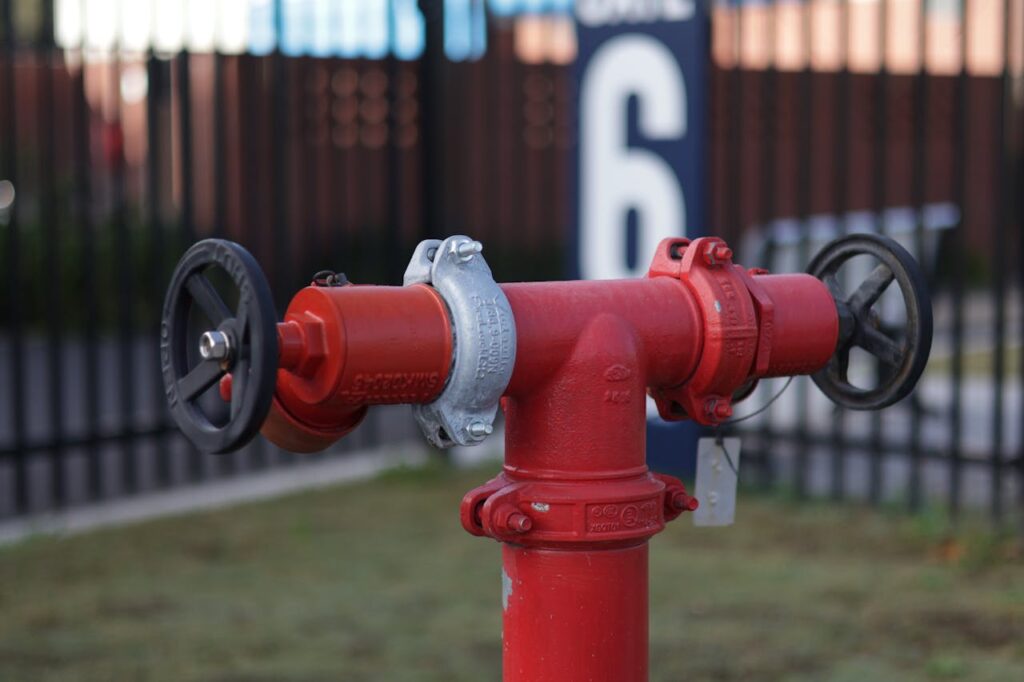
Fire safety is no longer an optional consideration in modern construction, It is a regulatory requirement and a critical engineering discipline. In high-growth infrastructure markets like Saudi Arabia, fire protection systems are essential for safeguarding commercial, industrial, and public assets. A fire sprinkler system in Saudi Arabia is one of the most effective automatic fire suppression technologies used in buildings today. It is designed to detect heat, activate instantly, and control or extinguish fire before it spreads, minimizing damage and protecting lives.
For developers, contractors, and facility managers, understanding how these systems work and how to implement them correctly is key to achieving compliance and operational safety.
What is a Fire Sprinkler System?
A fire sprinkler system is an engineered network of pipes, valves, and sprinkler heads designed to discharge water when heat from a fire activates the system. Unlike manual fire extinguishers, sprinklers operate automatically, providing immediate response during early fire stages.
The system typically includes:
- Water supply source (tank or municipal line)
- Fire pump system
- Distribution piping network
- Heat-sensitive sprinkler heads
- Control valves and alarm interfaces
Modern systems are often integrated with fire alarms and building management systems for coordinated emergency response.
Importance of Fire Sprinkler Systems in Saudi Arabia
In Saudi Arabia’s fast-developing construction landscape, fire safety is tightly regulated by Civil Defense authorities. Buildings must comply with strict fire protection codes before occupancy approval.
A properly designed fire protection system in Saudi Arabia ensures:
- Regulatory compliance for building approvals
- Reduced risk of fire-related structural damage
- Protection of industrial assets and machinery
- Safety of occupants in high-density environments
Industries such as oil and gas, logistics, hospitality, and manufacturing rely heavily on automatic suppression systems due to high fire risk exposure.
Types of Fire Sprinkler Systems
Different environments require different sprinkler technologies. Selecting the correct type is a critical engineering decision.
Wet Pipe Sprinkler System
The most common system where pipes are constantly filled with water. It activates immediately when heat triggers the sprinkler head.
Dry Pipe Sprinkler System
Used in areas with freezing risks. Pipes are filled with pressurized air instead of water.
Pre-Action System
A two-step activation system requiring both heat detection and sprinkler activation, ideal for data centers and sensitive equipment areas.
Deluge System
All sprinkler heads open simultaneously when triggered, used in high-hazard industrial environments.
Each system is selected based on risk classification and facility type.
Fire Sprinkler System Design Standards in Saudi Arabia
Fire sprinkler design in Saudi Arabia follows internationally recognized engineering standards, especially:
- NFPA 13 (Standard for sprinkler system installation)
- Civil Defense regulations
- Saudi building codes for fire safety compliance
Design engineers must consider:
- Occupancy type (commercial, industrial, residential)
- Hazard classification
- Water supply pressure and availability
- Hydraulic calculations for pipe sizing
- Coverage density requirements
Compliance is not optional, It is mandatory for project approval and occupancy certification.
How Fire Sprinkler Installation Works
Installation of a fire sprinkler system is a structured engineering process:
- Site assessment and risk analysis
- Hydraulic design and system modeling
- Equipment selection (pumps, valves, sprinklers)
- Pipe network installation
- Integration with alarm and detection systems
- Pressure testing and commissioning
- Final inspection and Civil Defense approval
Each stage requires precision to ensure system reliability under emergency conditions.
Applications in Commercial and Industrial Projects
Fire sprinkler systems are widely used across multiple sectors:
- Shopping malls and retail complexes
- Hotels and hospitality buildings
- Industrial manufacturing plants
- Warehouses and logistics hubs
- Hospitals and healthcare facilities
- Office towers and mixed-use developments
In high-risk industrial environments, systems are often combined with foam or gas suppression systems for enhanced protection.
Choosing Fire Fighting System Contractors in KSA
Selecting the right contractor is critical for system performance and compliance.
Key evaluation criteria include:
- Experience with Saudi Civil Defense approvals
- Engineering capability (hydraulic design expertise)
- Knowledge of NFPA standards
- Installation track record in industrial projects
- Maintenance and support services
Working with experienced fire fighting system contractors in KSA ensures long-term reliability and regulatory compliance.
Benefits of Professional Fire Protection Systems
A professionally designed sprinkler system provides:
- Faster fire response time
- Reduced property damage
- Improved insurance compliance
- Regulatory approval support
- Increased occupant safety
For industrial facilities, these systems also reduce downtime risk and asset loss.
Common Challenges in Installation Projects
Despite their importance, fire sprinkler projects often face challenges such as:
- Poor initial design coordination with MEP systems
- Water pressure limitations
- Late-stage compliance modifications
- Integration issues with alarms
- Incorrect hazard classification
These issues highlight the importance of early-stage engineering involvement.
Why Choose Advanced Times Company
Advanced Times Company delivers engineered fire protection solutions tailored for Saudi Arabia’s regulatory and industrial environment.
The company focuses on:
- End-to-end fire sprinkler system design and installation
- Compliance-driven engineering aligned with Civil Defense standards
- Industrial and commercial fire safety system integration
- Reliable project execution with technical precision
For developers and contractors seeking dependable fire safety execution, partnering with experienced engineers reduces risk and ensures approval readiness.
Conclusion
A fire sprinkler system in Saudi Arabia is a fundamental requirement for modern building safety and regulatory compliance. From industrial plants to commercial complexes, these systems provide critical protection against fire hazards while ensuring legal compliance. For project owners and developers, selecting the right engineering partner is as important as selecting the right system.
FAQs
1. What is a fire sprinkler system used for?
It is used to automatically detect and suppress fire using water discharge from heat-activated sprinkler heads.
2. Are fire sprinkler systems mandatory in Saudi Arabia?
Yes, most commercial and industrial buildings require them for Civil Defense approval.
3. What standards are used for sprinkler design?
NFPA 13 and Saudi Civil Defense fire safety regulations are the primary standards.
4. How long does installation take?
It depends on project size, but typically ranges from weeks to several months.
5. Can sprinkler systems be customized?
Yes, systems are engineered based on building type, hazard level, and occupancy.